
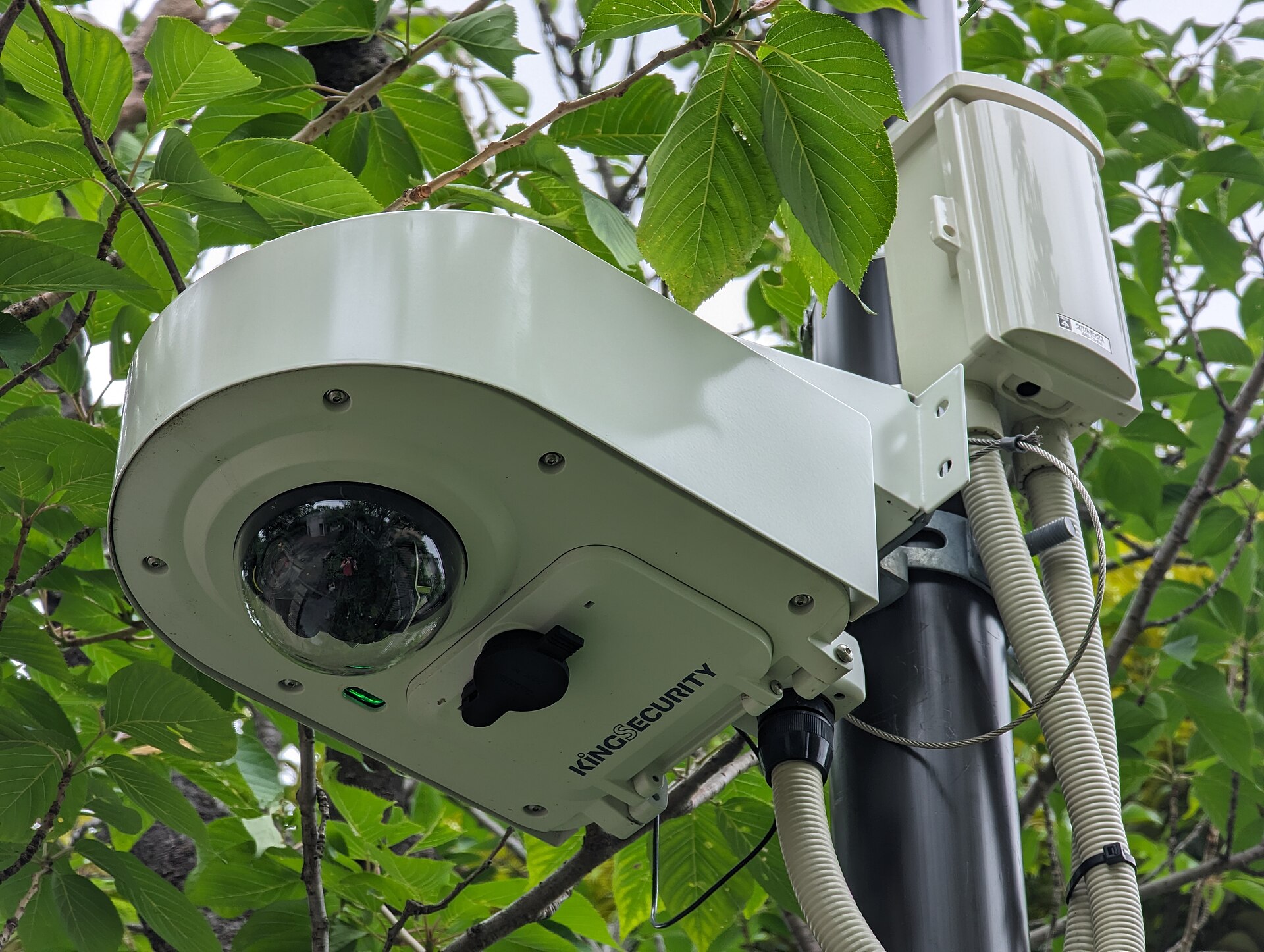
A New York police department bypassed city council approval to install artificial intelligence-powered surveillance cameras throughout their community, sparking a heated debate over constitutional rights and law enforcement authority that has fractured the town of 52,000 residents.
Cameras Installed After Drive-By Shootings
Troy Police Department first deployed Flock license plate readers in 2021 following a series of drive-by shootings, according to Deputy Police Chief Steven Barker. The department claimed it followed normal procurement procedures for the contract with Flock Safety, but city council members say they never authorized the surveillance technology. The AI-enabled cameras automatically scan and record license plates of vehicles passing through the area, storing the data in searchable databases accessible to law enforcement.
Constitutional Concerns Emerge
Residents have raised concerns about Fourth Amendment protections against unreasonable searches and the potential for mass surveillance without judicial oversight. The technology tracks the movements of all vehicles, regardless of whether drivers are suspected of criminal activity. Privacy advocates argue this represents a fundamental shift in how American citizens are monitored by government agencies. The cameras capture location data that can reveal patterns about where people worship, seek medical care, or exercise their constitutional rights to assemble and petition.
Town Divided Over Safety Versus Liberty
The controversy has split Troy residents between those who support enhanced law enforcement tools to combat violent crime and those who view the cameras as government overreach. Flock Safety markets its technology to police departments nationwide as a crime-solving tool, but critics question whether the benefits justify creating a permanent record of law-abiding citizens’ movements. The dispute highlights growing tensions across America between public safety demands and constitutional protections, particularly when police departments adopt new technologies without transparent public debate or elected official approval.
When is enough really going to mean “ENOUGH”????? What happened to the PRIVACY that people want and need?????
Is A1 going to take over for good pretty soon? Looks like people are getting very angry with all of this surveillance …
Is anyone in charge? If so, just who would that be?????
What have you got to hide if you’re not doing anything wrong? I think people are becoming a bit too paranoid.
there goes freedom w/an old nonsense argument. +nothing to hide+ Folks w/that mindset son`t dersrve freedom.
They forgot,or never learned how&why the USA even exists`.
I agreed! Only people has something to hide that worry to be seen. The camera has been install all over Europe and others countries, even Viet-Nam. No one care and protest. With so many unknown crimes, we need to have cameras around the cities. San Jose has them, and we are very happy to have them.
just because you`re paranoid, doesn`t mean they aren`t really watching you. big bro is everywhere, watching,cell towers listening,monitoring our phones. It`s 1984 coming true.
It is not a crime to stand on a public sidewalk and look across somebodys lawn and watch what they are doing in front of an open window. How can it be against the law to see what is happening on a public sidewalk or street? Do you think someone forfits a right to privacy by going out in public to do anything, innocent or otherwise?
Every time I try to post a message, this crap comes up! “This comment has been automatically flagged by our system as spam.” What is wrong with your site? What do you have against real insightful comments?