
A Father’s Day vigil outside a New Jersey immigration detention center turned into a criminal case when a facility employee drove into a demonstrator and now faces assault charges. The driver claims protesters provoked the collision, but video evidence and serious criminal charges tell a different story about what happened on June 21, 2026.
Collision at Delaney Hall
Thomas K. Brown, 38, of Newark, struck demonstrator Alex Pride with his red 2023 Dodge Challenger while entering the Delaney Hall immigration detention facility where he works. Police arrested Brown days later and charged him with assault by auto plus reckless driving. Pride traveled from Minnesota to participate in demonstrations and required hospital treatment for her injuries, which doctors determined were not life-threatening. She returned to the protest site after receiving medical care.
Multiple cameras captured the incident from different angles. The footage spread across social media before authorities filed charges. Brown told investigators he accelerated because people were hitting his vehicle, a defense that prosecutors will now test against the recorded evidence. New Jersey law treats assault by auto as a serious criminal offense, not a simple traffic violation, when drivers injure someone through reckless or negligent vehicle operation.
Month of Demonstrations
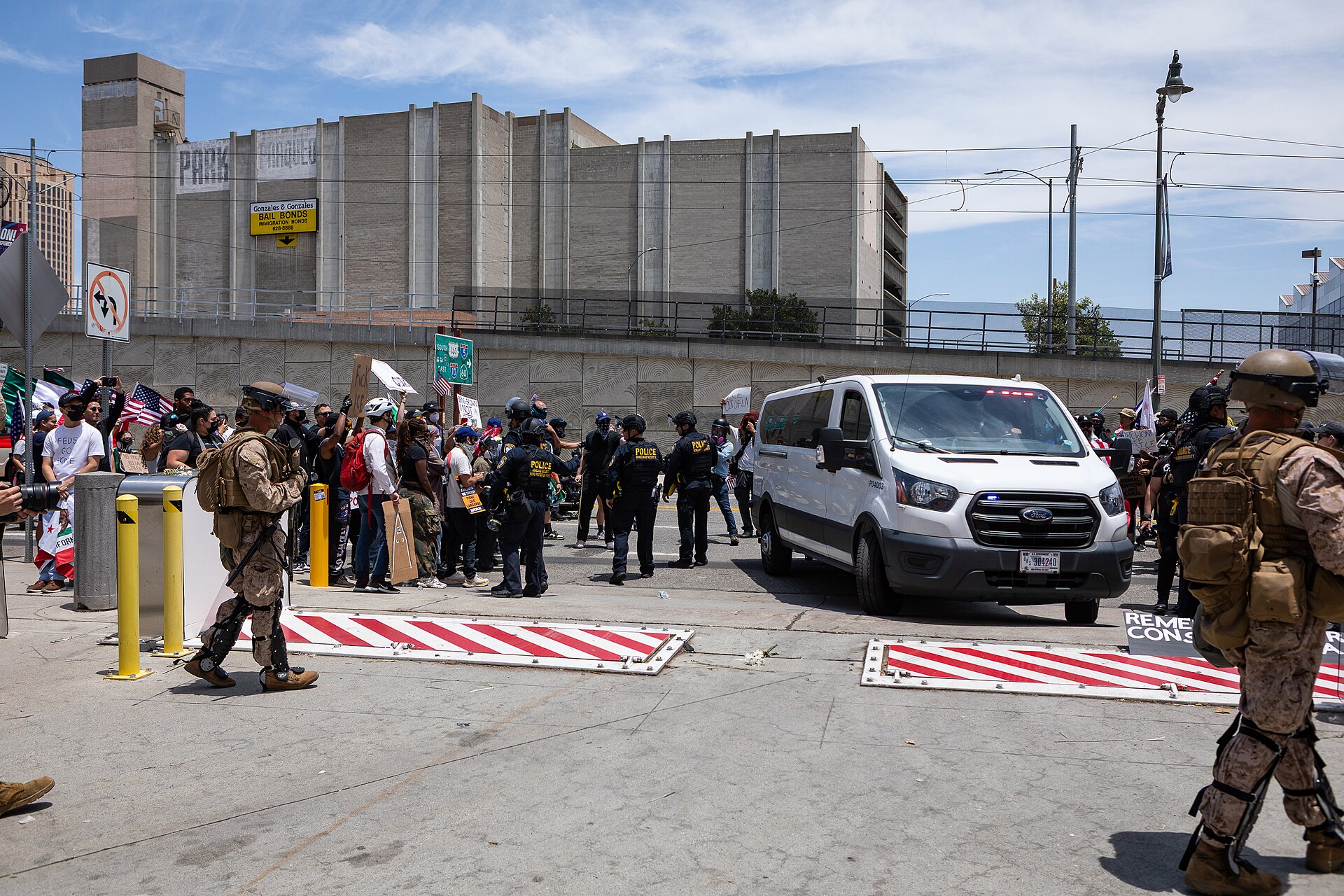
Delaney Hall, operated by private contractor GEO Group, has faced nearly daily protests for approximately one month. The demonstrations began after hundreds of detainees launched a hunger and labor strike to draw attention to facility conditions. Advocates reported the hunger strike ended following disciplinary actions by guards. The June 21 gathering was organized as a Father’s Day vigil rather than a standard protest. Participants brought songs, letters, and neckties to hang on the fence, honoring detained fathers on the holiday typically reserved for family barbecues and celebrations.
Vehicle and Legal Context
The Dodge Challenger is a full-size, rear-wheel-drive muscle car with clear sightlines. Legal experts note that courts routinely examine what drivers could and should have seen in vehicular assault cases, particularly in crowded areas. The vehicle’s size and visibility make claims about obscured vision difficult to sustain. Brown’s case will proceed through New Jersey’s court system, where prosecutors will present the video record alongside witness testimony. The multiple-angle documentation captured before police involvement may prove decisive in determining whether Brown’s actions met the legal threshold for criminal assault versus a traffic accident.
These protesters haven’t learned a thing from Minnesota don’t get in the way or you can be hurt, they are just being used as props by outside agitators
indeed
WHY are protesters ALLOWED to block motorists??? I thought that this was ILLEGAL! Isn’t it a form of minor kidnapping or even hostage taking???
So protestors were obstructing traffic, unlawfully detaining others against their will, which can also be considered kidnapping. So when did it become legal for the so called protestors to do all of this ? The driver got arrested all by himself? Where were the police ? Why did authorities decide not to do their job and remove the protestors which would have prevented this entire situation? Everything about this was wrong before the car in question ever arrived !
Should make em all “speed bumps”!!
That’s a good one !
She should have stayed in MN and tried to clean up that mess
The constitution gives them the right to STAND ON THE SIDEWALK with a SIGN not block traffic spit on the workers or officers, throw rocks, scream in their faces with horns. Oh but that’s all ok but the guy trying to get to work & hits someone in the street screaming is not ok. Personally I think they should be allowed to hit anyone in the damn street. The authorities need to grow some balls & stop this damn shit. The road or streets are for automobiles not people blocking it.
Obvious she was in traffic hindering traffic she should have been arrested