
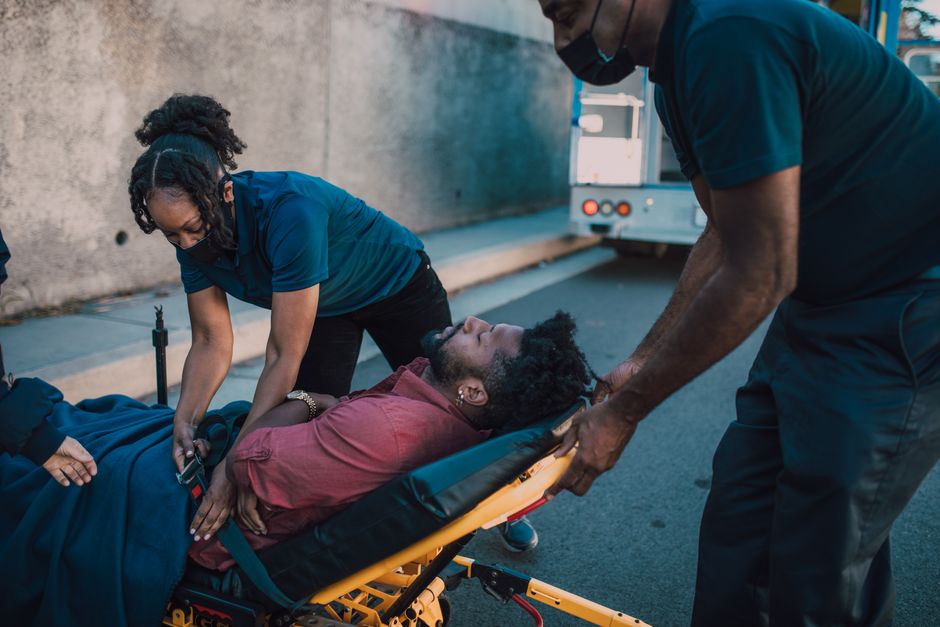
A Georgia man faked a medical emergency and called 911 in an attempt to escape paying his dinner bill at a suburban Atlanta restaurant, according to local police.
The Failed Scheme
Abdul Rasheed, 26, dialed 911 from a Red Lobster location on Highway 5 in Douglasville on September 24, authorities reported. When officers and emergency responders arrived at the scene, they quickly determined Rasheed had no medical issues requiring attention. Police say the man orchestrated the false emergency call solely to avoid settling his $63 restaurant tab. The scheme unraveled immediately when first responders assessed his condition and found nothing wrong.
Douglasville police took Rasheed into custody at the restaurant after confirming he was medically fine. Officers determined the emergency call was fabricated as part of a deliberate plan to leave without paying for his meal. The attempt to exploit emergency services backfired spectacularly, landing Rasheed in far more trouble than a simple unpaid bill would have caused.
Criminal Charges Filed
Authorities charged Rasheed with three separate offenses following the incident. The charges include theft of services for attempting to leave without paying his bill, unlawful conduct during a 911 call for misusing emergency services, and making a false report to law enforcement. Each charge carries potential penalties that far exceed the cost of the dinner he tried to avoid. The combination of charges reflects the seriousness with which authorities view the abuse of emergency response systems.
Impact on Emergency Services
False 911 calls divert critical emergency resources from legitimate crises where lives may hang in the balance. When officers and medical personnel respond to fabricated emergencies, they become unavailable for real accidents, medical emergencies, or crimes in progress. Police departments nationwide have emphasized that fraudulent emergency calls constitute a criminal offense precisely because they endanger public safety. The incident underscores growing concerns about individuals who waste taxpayer-funded emergency services to solve personal problems or avoid consequences for their actions. Authorities hope prosecuting such cases will deter others from similar schemes.
What a douche. I’m glad he was caught and will have to PAY for this. Like the article stated, it will cost him way more than the $63.00 restaurant bill. Too bad. Hee hee.
I have that unusual “what’s wrong with this picture” kind of brain. My immediate response was not to think he was a total dips__ (which of course he was) but, “$63??? At RED LOBSTER??” Now I admit that I don’t eat out much at all, by choice rather than due to financial stress, but does a lower end venue like that really cost that much for one person’s meal?? There was no mention of a bar tab, just a meal, so I am drawing my conclusions based only on the info provided. There’s no way I would pay $63 for a meal at Red Lobster under any circumstances. Not even for actual lobster!
Nowadays it would cost that much, even at Red Lobster. Same with the Olive Garden. Hard to believe considering that stuff is nothing but frozen, prepackaged slop.
Note how they show a NOTHING TO DO WITH video of a human trying to scam his was out of a traffic ticket with a 3rd World invading THIEF OF COLOR to trying to rob a restaurant after stuffing it’s face….Why? they know 99 percent of the time when lowlifes free restaurants without paying it’s one of them…
If he’s an illegal, we’ll get stuck with the bills.
Abdul is typical of the Muslim invasion of our country who daily attempt to haggle over whatever they want to buy to the point a dealer has to call the local Police to remove the man or woman from their premises. As an attorney, I, and my associates, are then contacted by these ” bandits to sue the dealer “., and we refuse them representation.
How many of you out there after reading what I just wrote have seen this very “haggling” of our citizens dealers by these culprits who are often illegally in our country.
sit down restaurants need to move to a pay before served system………when people are done eating and are full……….they look at the tab and then think they should not have spent that money…………..that is what leads to this………
Sounds like a cheep butt trying to rip off the restaurant. Like a scene off TV. Abdul can look somewhere else for sympathy.
Sounds like a cheep butt trying to rip off the restaurant. Like a scene off TV. Abdul can look somewhere else for sympathy. Abdul is dul.