
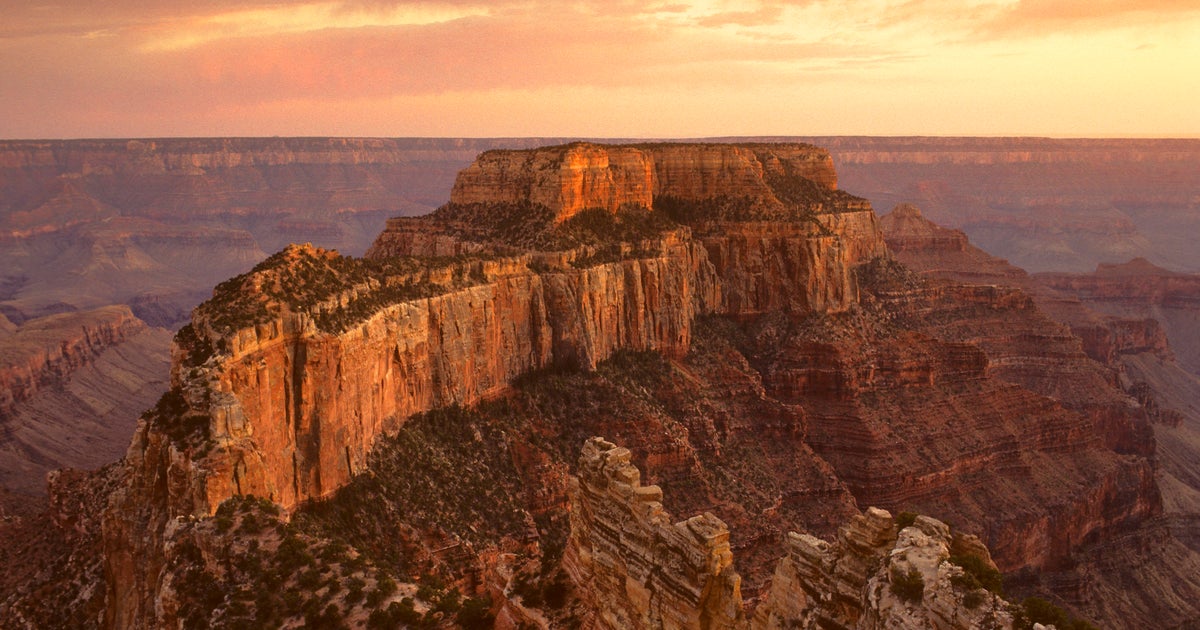
A small aircraft carrying three people crashed in a remote area of the Grand Canyon on Sunday evening, leaving no survivors. The National Park Service confirmed the discovery of the wreckage Monday morning after an extensive overnight search operation involving multiple agencies.
Search and Rescue Operations
The Piper Comanche aircraft disappeared Sunday night, with authorities receiving the missing plane report around 11:30 p.m. local time. Its final known position placed it near the Basin, a rugged backcountry region along the Grand Canyon’s isolated North Rim. Search teams mobilized in the predawn hours Monday, deploying infrared and night vision equipment to scan the challenging terrain. The coordinated effort brought together the Arizona Department of Public Safety, Air Force Rescue Coordination Center, and search and rescue units from Coconino and Kane counties.
Rescue crews located the aircraft wreckage at approximately 10:15 a.m. Monday in a debris field within the Basin area. The National Park Service has not released the identities of the three victims, citing respect for family privacy during this difficult time. The Federal Aviation Administration reported the crash occurred at 7:15 p.m. Sunday, roughly four hours before the plane was officially reported missing.


Investigation Underway
The National Transportation Safety Board has taken the lead role in investigating what caused the fatal crash. Federal Aviation Administration officials will provide support as investigators work to piece together the sequence of events leading to the tragedy. NTSB investigators typically examine multiple factors including weather conditions, mechanical issues, pilot experience, and flight path data to determine probable cause in aircraft accidents.
Rare Incident at National Park
Aircraft crashes within Grand Canyon boundaries remain uncommon occurrences. National Park Service records indicate fewer than ten such incidents have taken place since 1986, with only a handful resulting in fatalities. The vast wilderness area presents significant challenges for aviation, with dramatic elevation changes, unpredictable wind patterns, and limited emergency landing options. The North Rim, where this crash occurred, sits at substantially higher elevation than the more visited South Rim and offers minimal infrastructure for emergency response.
This tragedy serves as a sobering reminder of the inherent risks associated with small aircraft operations over rugged terrain. The Grand Canyon’s spectacular landscape, while drawing millions of visitors annually, demands respect from pilots navigating its airspace. As federal investigators continue their work, the aviation community will await findings that may prevent similar accidents in the future.