
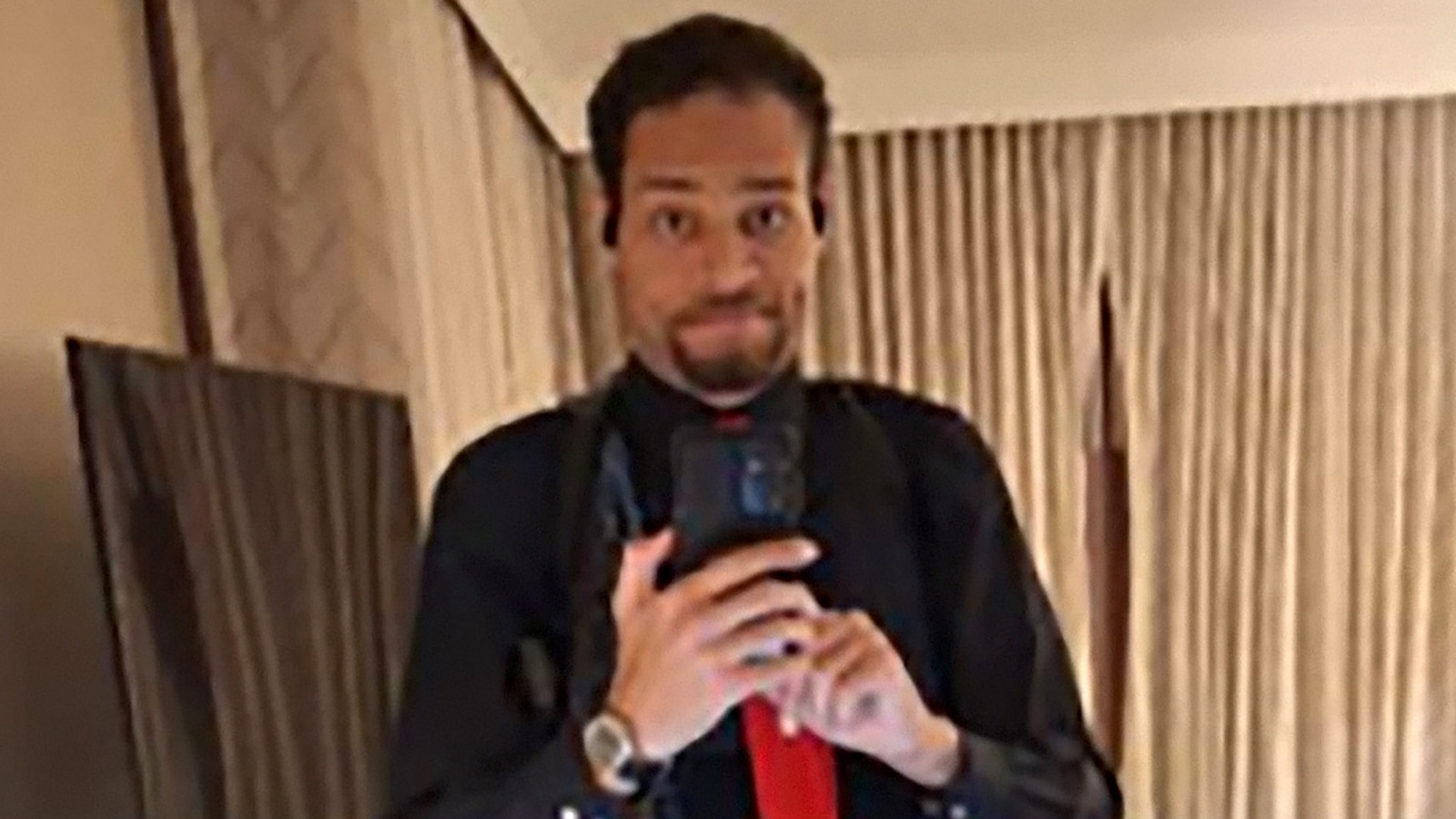
Cole Tomas Allen, the 31-year-old man accused of attempting to assassinate President Donald Trump at the White House Correspondents’ Association dinner last April, now faces an additional terrorism charge after a federal grand jury handed down a superseding indictment this week.
Armed Intruder Breached Security at High-Profile Event
Allen allegedly rushed through a security checkpoint at the hotel venue on April 25, where thousands of journalists, President Trump, and Cabinet members had gathered for the prestigious annual dinner. Law enforcement officers tackled the armed suspect before he could reach the president. During the confrontation, a uniformed Secret Service officer sustained gunshot wounds before agents subdued Allen, according to prosecutors familiar with the incident.
The new terrorism charge, unsealed Thursday by the U.S. Attorney’s Office for the District of Columbia, adds to Allen’s already serious legal troubles. He previously faced four federal charges: attempted assassination of the president, assault on a federal law enforcement officer with a deadly weapon, transportation of firearms and ammunition across state lines with intent to commit a felony, and discharge of a firearm during a crime of violence. Allen has entered not guilty pleas to the original charges but has not yet responded to the terrorism count.


Evidence Points to Targeted Attack on Administration
U.S. Attorney for the District of Columbia Jeannie Pirro stated in May that prosecutors have conclusive evidence linking Allen to the shooting. She told reporters that the grand jury found probable cause to believe Allen’s weapon struck the Secret Service agent. According to the criminal complaint, Allen wrote that administration officials were his intended targets, demonstrating premeditation and specific intent to harm government leaders.
Maximum Penalty of Life Behind Bars
If convicted on all counts, Allen faces a maximum sentence of life in federal prison. The case highlights ongoing security challenges surrounding presidential protection, even at heavily secured events. The incident occurred at a gathering traditionally known for bringing together political leaders and media figures in a more relaxed setting. The swift response by Secret Service agents prevented what could have been a catastrophic attack on the nation’s leadership. Federal prosecutors continue building their case as the legal proceedings move forward through the District of Columbia court system.