
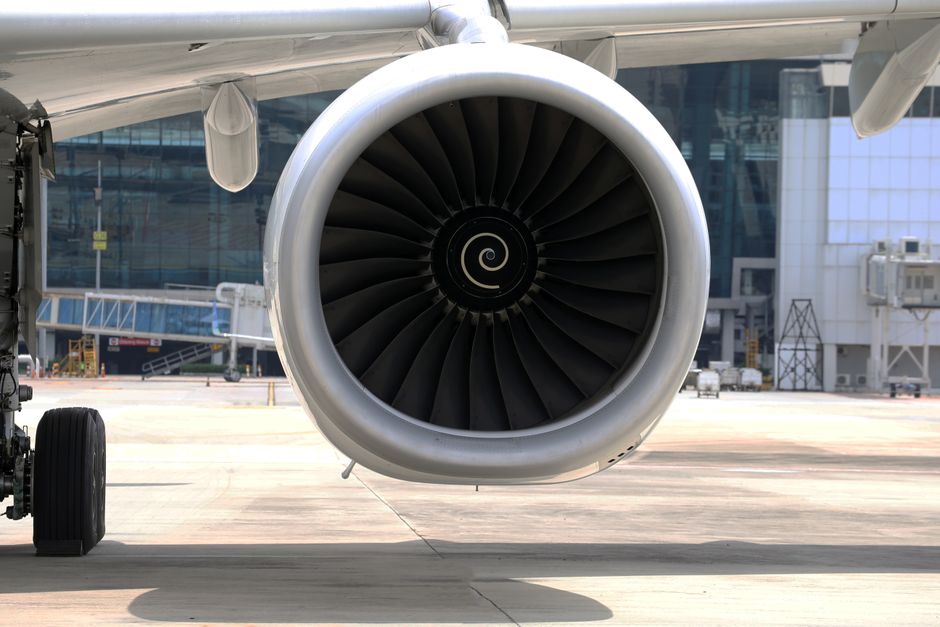
An American Airlines Boeing 737 carrying 172 passengers erupted in flames moments after takeoff from Myrtle Beach on Monday, forcing an emergency landing after the aircraft struck multiple birds during departure. Dramatic video captured fire streaming from the engine as the pilot issued a mayday call over South Carolina waters.
Engine Catches Fire During Takeoff
Flight 1760 was climbing out from Myrtle Beach International Airport when passengers heard loud popping sounds followed by orange flames shooting from beneath the left wing. Patrick Gotwalt filmed the terrifying moment as fire burst from the engine while the plane flew over the ocean. The aircraft was headed to Charlotte, North Carolina, with 181 people on board when the pilot radioed air traffic control with urgent distress signals.
Audio recordings from LiveATC captured the pilot’s mayday call. Another pilot monitoring the radio confirmed witnessing the bird strike, reporting birds entering the left engine during takeoff. Airport operations crews discovered extensive bird remains scattered across the runway as the crippled aircraft circled overhead preparing for an emergency return.
Passengers Describe Violent Shaking
Beachgoer Lindsey Mackey witnessed the incident from the ground, hearing the distinctive popping noises before seeing flames erupt from the wing. Inside the cabin, passengers reported violent shaking on the left side of the aircraft where the damaged engine was located. One passenger described the first fifteen seconds of takeoff as normal before the plane began shuddering intensely following the bird strike impact.
Despite the frightening situation, crew members maintained composure throughout the emergency. The pilot leveled off the aircraft over the Atlantic Ocean before notifying passengers of the return to Myrtle Beach. The Boeing 737 landed safely without injuries to any passengers or crew members. Airport workers scrambled to clear large pieces of bird debris from the runway during the emergency response.
Aircraft Grounded For Inspection
American Airlines confirmed the flight returned immediately due to a maintenance issue but did not initially specify the bird strike as the cause. Early assessments suggest the visible flames came from birds burning in the engine rather than an internal fire within the mechanical components themselves. The airline grounded the aircraft pending a complete inspection by maintenance teams.
American Airlines arranged a replacement aircraft to transport the stranded passengers to Charlotte. The incident highlights ongoing aviation safety concerns regarding bird strikes, which pose significant risks during critical phases of flight like takeoff and landing. Federal aviation authorities typically investigate such incidents to determine whether airports need enhanced wildlife management protocols.
Sorry for the terrified humans, but far more sorry for the poor, incinerated birds!
Boy, aren’t you a wonderful person.
You do realize, that 181 passengers + the crew could have all DIED but your MORE SORRY for the demise of a flock of birds – WOW, Some perspective!!!
Is there something like a sonar sound that aircraft can emit that would deter birds from aircraft?
Can a screen be placed over the intake of the engines? curious what the answer is.
Clogged screen-reduced air intake etc.
I Thought SOP Was to Pull The Fire Retardant and Kill the Engine…It Looks Like They Flew For Some Time While it was Burning !!!
The birds died the humans were never in any danger of dying !