
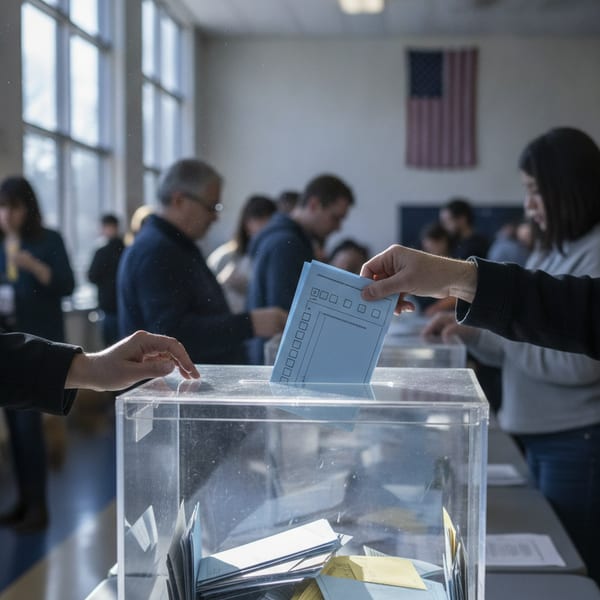
The Justice Department announced Tuesday it will deploy 1,000 election monitors and observers to all 50 states for the November 2026 midterm elections, marking the largest federal Election Day monitoring operation in American history and raising fresh concerns about federal overreach into state-run elections.
Unprecedented Federal Presence at Polling Places
The Justice Department’s statement identified specific jurisdictions within each state that will receive monitors and observers, focusing on areas with reported voter access issues and competitive races vulnerable to voter intimidation. The deployment represents a significant expansion of federal election oversight, with monitors stationed in counties that traditionally operated their elections independently under state supervision. Department officials justified the massive presence as necessary to protect voting rights and ensure electoral integrity.
The Trump administration has pursued increasingly aggressive election oversight policies, demanding comprehensive voter-registration data from states and advocating for stricter election security measures. Administration officials argue these steps are essential to restore public confidence in electoral outcomes following years of disputed results and allegations of irregularities from both political parties.


States Push Back Against Federal Authority
The expanded monitoring program prompted several states to issue new guidelines clarifying the limited authority federal observers will have on Election Day. State officials emphasized that DOJ monitors cannot interfere with poll operations, handle ballots, or direct election workers. These guidelines aim to prevent conflicts between federal observers and local election officials who retain primary responsibility for conducting elections under state constitutional provisions.
Critics view the deployment as federal overreach that undermines the constitutional principle of state-controlled elections. Multiple state attorneys general have raised concerns about federal agents observing polling places, arguing the presence could intimidate voters and election workers. The tension highlights the ongoing debate over federal versus state authority in election administration, a question the Constitution largely delegates to individual states.
What This Means
This historic deployment represents a fundamental shift in federal election oversight that will test constitutional boundaries between state sovereignty and federal authority. Conservative voters concerned about election integrity may welcome increased scrutiny, while those prioritizing limited government and states’ rights face competing principles. The 2026 midterms will serve as a crucial test case for whether expanded federal monitoring enhances electoral confidence or creates new tensions between Washington and state capitals. Local election officials should familiarize themselves with both federal observer authority and state protections to ensure smooth polling operations.