
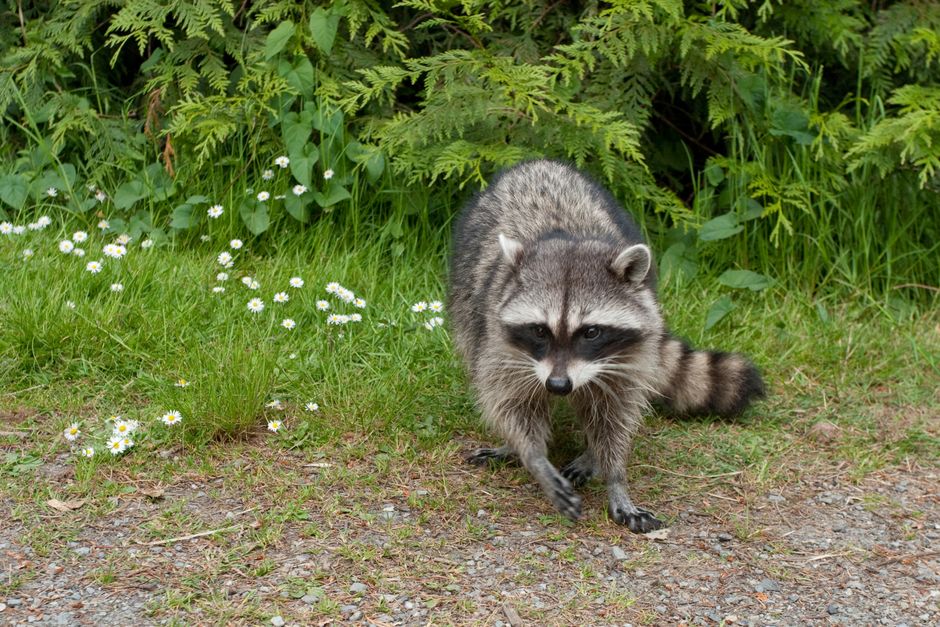
A Seattle raccoon named Jimothy has gained nationwide attention after being spotted repeatedly trespassing through yards in the city’s Ballard neighborhood, sparking recognition from major media outlets and earning his own official bobblehead.
From Local Pest to National Celebrity
The short-spined raccoon has captured attention far beyond Seattle city limits, receiving mentions from Google Search, NASA, and Comedy Central’s The Daily Show. His rapid rise to fame culminated on July 21 when The National Bobblehead Hall of Fame and Museum released the first officially licensed Jimothy bobblehead, marking an unusual honor for a backyard scavenger. The animal now roams private properties without facing the consequences typical trespassers might encounter, drinking from water bowls that don’t belong to him and exploring yards at will.
Residents of Seattle’s Ballard neighborhood have grown accustomed to spotting Jimothy during his regular rounds through the area. This past weekend proved no different, with the raccoon captured on camera sniffing around a residential yard before padding across the property and eventually retreating into surrounding bushes. His casual approach to private property has become a trademark of his public appearances since achieving celebrity status.
Wildlife Celebrity Status Raises Questions
The phenomenon of a wild animal achieving mainstream fame highlights changing attitudes toward urban wildlife in American cities. While raccoons typically face removal or deterrence from residential areas, Jimothy’s celebrity has granted him unusual tolerance from property owners who previously might have called animal control. His continued presence in Ballard demonstrates how social media attention can transform public perception of animals traditionally viewed as nuisances. The bobblehead merchandise represents a commercial endorsement rarely extended to wildlife, raising questions about the intersection of entertainment culture and wildlife management.
What This Means
Jimothy’s story reflects broader trends in how Americans engage with urban wildlife through social media platforms. The raccoon’s transformation from backyard pest to merchandised celebrity occurred within weeks, driven by viral attention and mainstream media coverage. His ongoing presence in Seattle neighborhoods tests traditional boundaries between human spaces and wildlife habitats, with residents apparently willing to tolerate property intrusions from an animal that has achieved fame. Whether this tolerance extends beyond one recognizable raccoon to wildlife management policies more broadly remains unclear.