
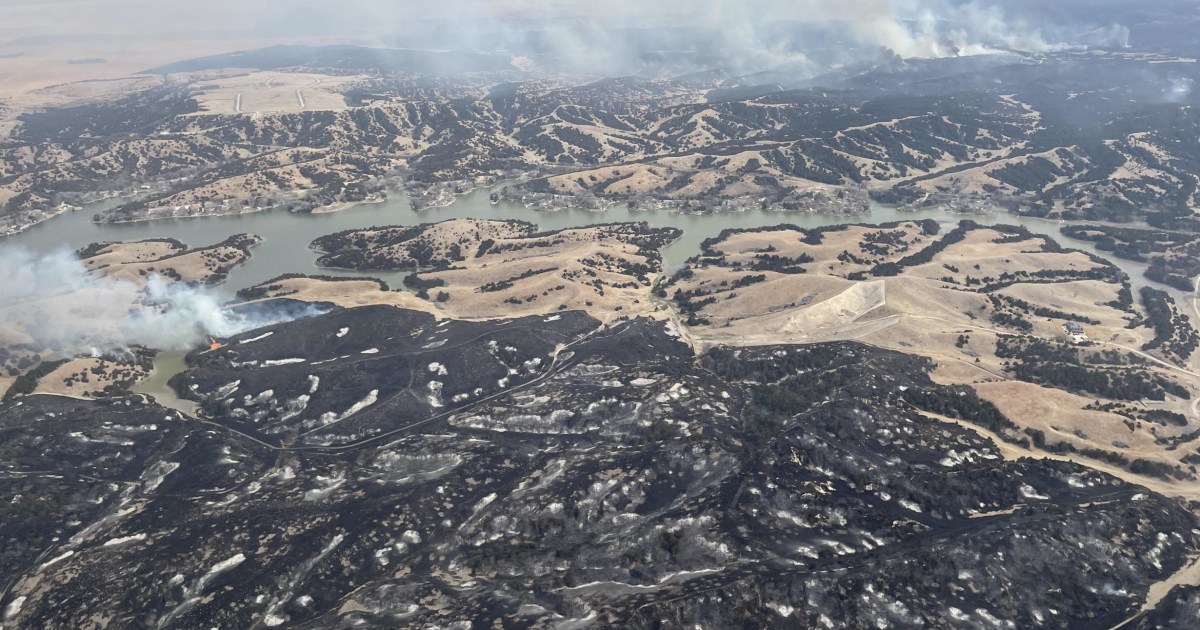
Historic wildfires tearing across western Nebraska have claimed the life of an 86-year-old rancher and consumed nearly 800,000 acres, marking the largest wildfire disaster in the state’s history as fire crews battle four major blazes with no end in sight.
Rancher Dies Fleeing Record-Breaking Inferno
Rose White, 86, of Arthur, died attempting to escape the Morrill Fire after flames overtook her family ranch, where she raised multiple generations. Governor Jim Pillen confirmed her death Saturday, calling the tragedy a devastating loss for Nebraska’s agricultural community. White’s ranch had been in her family for decades, representing the deep roots many farming families maintain in the state’s rural heartland.
The Morrill Fire stands as the largest single wildfire in Nebraska history, consuming more than 600,000 acres by Tuesday evening with only 18% containment. Pillen said Friday that high winds reaching 61 mph fanned an electrical fire that officials believe sparked the deadly blaze, though investigators have not yet made a final determination. Three hundred residents faced evacuation orders before being allowed to return home as firefighters gained limited ground against the flames.
Four Major Fires Burn Across Western Nebraska
Beyond the Morrill Fire, three additional major blazes continue burning across the state. The Cottonwood Fire has burned 131,259 acres with 40% containment, while the Road 203 Fire in Nebraska National Forest spread across 35,386 acres with 36% containment. The Anderson Bridge Fire in Samuel McKelvie National Forest has consumed 17,400 acres with 60% containment as of Tuesday. More than 700 firefighters, including Nebraska and Iowa National Guard personnel with Black Hawk helicopters, are deployed fighting the flames.
Dangerous Fire Weather Returns This Week
Brief calm conditions Monday gave fire crews a short reprieve, but forecasters warn dire fire weather returns Wednesday with red flag warnings extending four days. The National Weather Service predicts wind gusts reaching 35 mph, temperatures in the 80s, and humidity below 15 percent—the same dangerous combination that fueled the initial outbreak last Thursday. Governor Pillen signed an executive order Tuesday cutting bureaucratic barriers to provide emergency feed supplies for livestock as grazing land burns. Federal Emergency Management Agency officials have joined state commanders coordinating the massive response across western Nebraska’s affected counties.