
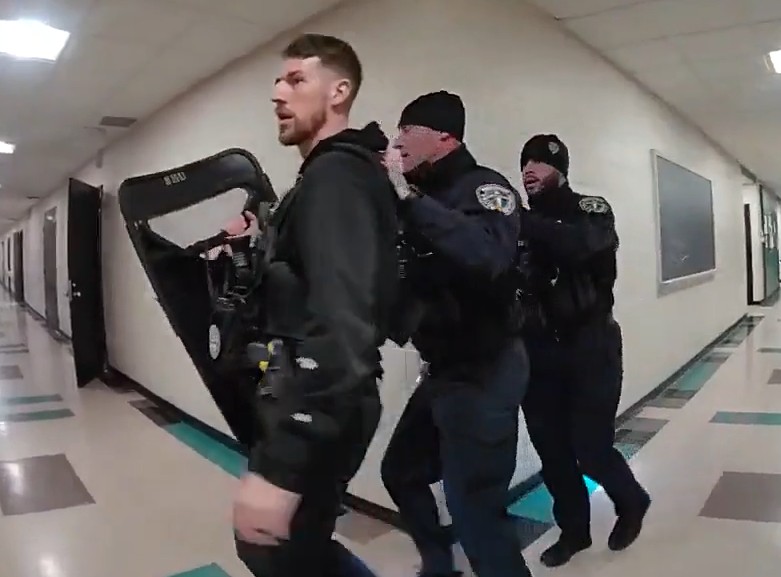
Providence officials released body camera footage, incident reports, and emergency radio recordings from the December shooting at Brown University that claimed two student lives and triggered a five-day manhunt for the perpetrator.
Delayed Release After Memorial Service
Mayor Brett Smiley announced the city postponed releasing the heavily redacted documents until after a memorial service for the victims was held on campus over the weekend. Speaking at a press conference, Smiley explained that families of the victims had requested nothing be released, fearing it would make moving forward more difficult for survivors and the community. The mayor emphasized the city’s effort to balance transparency requirements under Rhode Island’s Access to Public Records Act with respect for grieving families.
The 20-minute video footage comes from Providence Police Lieutenant Patrick’s body camera and shows officers swarming the scene during the mass casualty event. Smiley confirmed this represents the city’s complete response to public records requests, though additional footage exists that will not be released to protect the privacy of those affected by the tragedy.
Campus Security Response
The documents reveal the initial emergency response to what authorities classified as an active shooter situation at the prestigious Ivy League institution. Radio recordings capture the coordinated effort between multiple law enforcement agencies as they responded to reports of gunfire on campus. The incident prompted immediate lockdown procedures and a comprehensive search operation that extended well beyond the university grounds.
What This Means
The footage release marks a significant step in providing transparency about a tragic event that shook the Brown University community. While families continue grieving their losses, the public records disclosure ensures accountability in the police response while respecting the dignity of victims and survivors. The extended manhunt that followed demonstrates the serious threat posed to campus safety and the resources required to protect students and faculty during such emergencies.