
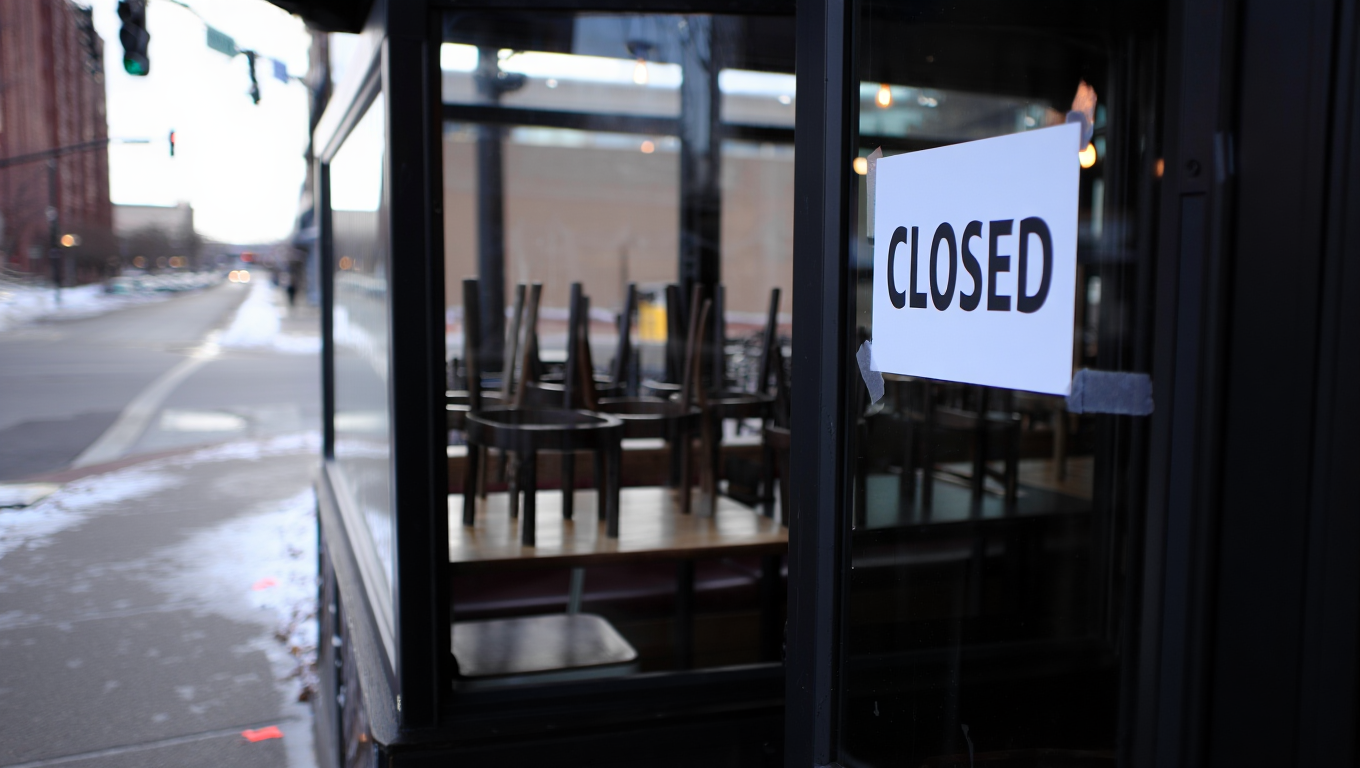
A devastating ice storm has brought Minnesota’s economy to a standstill this week, forcing thousands of businesses across the state to shutter operations as widespread power outages and treacherous conditions create what officials are calling an “economic blackout” of unprecedented scale.
The catastrophic weather event, which began affecting the region earlier this week, has left entire commercial districts dark and impassable, with ice accumulations weighing down power lines and making transportation virtually impossible in many areas. The economic fallout extends far beyond typical winter weather disruptions, creating a cascading crisis that threatens to impact the state’s financial stability for weeks to come.
Widespread Business Closures Grip the State
From Minneapolis-St. Paul’s bustling downtown corridors to rural Main Street establishments, businesses of all sizes have been forced to cease operations as the ice storm’s impact proves too severe to overcome. Retail stores, restaurants, manufacturing facilities, and service providers have all succumbed to the combination of power outages, impassable roads, and safety concerns for both employees and customers.
The timing of the crisis has compounded its economic impact, striking during what is already a challenging period for many businesses navigating post-holiday seasonal slowdowns. Small businesses, which form the backbone of Minnesota’s economy, appear particularly vulnerable to the extended disruption, lacking the resources and backup systems that larger corporations might deploy during such emergencies.
Manufacturing operations, which require consistent power and reliable supply chains, have been especially hard hit. The state’s significant agricultural processing sector faces additional challenges as frozen equipment and transportation delays threaten to disrupt food production and distribution networks that extend beyond Minnesota’s borders.
Power Grid Struggles Under Ice Burden
Utility companies across Minnesota are facing their most challenging restoration effort in years as ice-laden power lines and falling trees create ongoing hazards for repair crews. The unique nature of ice storms presents complications that differ significantly from typical winter weather events, as the accumulated ice continues to weigh down infrastructure even as temperatures fluctuate.
Repair crews working around the clock report that traditional restoration timelines cannot be applied to the current situation, as the ice’s weight creates a domino effect of failures across the electrical grid. Each attempt to restore power to one area can trigger new outages elsewhere as the system struggles to handle the physical stress placed on transmission lines and distribution equipment.
The power restoration challenges have created a ripple effect throughout the business community, with even companies that have backup generators finding their fuel supplies running low after days of continuous operation. The extended nature of the outages has pushed emergency power systems beyond their intended capacity, forcing additional closures even among businesses that initially managed to maintain operations.
Economic Ripple Effects Spread Beyond State Lines
The economic implications of Minnesota’s weather crisis extend far beyond the state’s borders, as supply chain disruptions begin to affect businesses and consumers throughout the upper Midwest. The state’s role as a transportation and logistics hub means that the current crisis has the potential to impact commerce across multiple states and industries.
Food service establishments face particularly acute challenges, with restaurants and grocery stores dealing not only with immediate closure-related losses but also significant product spoilage as refrigeration systems fail. The cumulative effect of lost inventory, missed sales, and cleanup costs threatens to create long-term financial hardship for businesses already operating on thin margins.
Employment impacts are mounting as workers find themselves unable to reach their jobs due to dangerous travel conditions, while others face temporary layoffs as their employers cannot maintain operations without power. The lost wages and reduced economic activity create a multiplier effect that amplifies the storm’s overall economic impact.
Emergency Response and Recovery Efforts
State and local officials have mobilized emergency response resources to address both the immediate safety concerns and the economic fallout from the ice storm. Emergency shelters have been established for residents and business owners dealing with extended power outages, while transportation crews work to clear critical commercial routes.
Economic development agencies are already beginning to assess the scope of business losses and prepare support programs for affected companies. The scale of the disruption suggests that recovery efforts will need to extend well beyond the immediate restoration of power and transportation infrastructure.
Insurance companies are bracing for what could become one of the most significant weather-related claim events in Minnesota’s recent history, with business interruption claims expected to reach substantial levels across multiple industries and geographic areas.
Long-Term Economic Implications
The current crisis highlights the vulnerability of modern commerce to extreme weather events, raising questions about business continuity planning and infrastructure resilience in an era of increasingly severe weather patterns. The designation of the current situation as an “economic blackout” reflects the recognition that this event represents more than a temporary inconvenience.
Recovery timelines remain uncertain as the full extent of infrastructure damage becomes apparent. Even after power restoration begins, many businesses will face additional delays as they work to restart operations, assess damage, and address supply chain disruptions that may persist for weeks.
The economic data from this event will likely influence future discussions about infrastructure investment, emergency preparedness, and the true cost of extreme weather events on state and regional economies. Minnesota’s experience serves as a stark reminder of how quickly severe weather can transform from a meteorological event into an economic crisis with far-reaching consequences.
As restoration efforts continue and the immediate crisis begins to subside, the focus will shift to understanding the full economic impact and developing strategies to prevent similar disruptions in the future. The current “economic blackout” may ultimately serve as a catalyst for enhanced resilience planning across Minnesota’s business community and infrastructure systems.
Well most people have a memory.
I would no longer visit these establishments, glad the have taken the time to announce their name and location.
Agree!
Oh boo hoo it disrupted their notl work protest against ice. Guess they’ll have to wait till the storm damage is over to protest. I gor one say stop ALL Federal funding to this state till they repay the billions in fraud which they have done. No repay no help then.
Many years ago I lived in Minneapolis and let me say first hand…”the hand was always out for a schmear..”…I left due to the horrible left Judicial system, outrageous taxes, severe weather, and etc etc etc…thank GOD I MOVED TO TEXAS…!!