
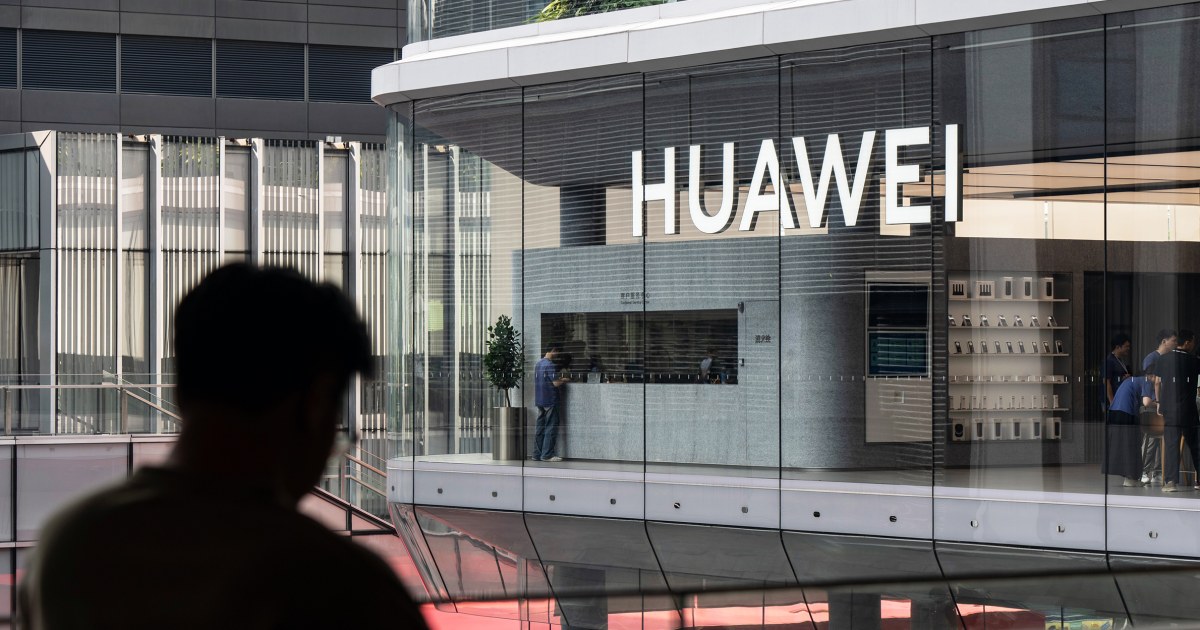
A federal jury in New York convicted Chinese technology giant Huawei and three subsidiaries on Tuesday of seven conspiracy charges, including bank fraud, wire fraud, money laundering, defrauding the United States, and conspiracy to steal trade secrets from American companies.
Decades of Corporate Theft and Deception
The two-month trial revealed what prosecutors described as a systematic pattern of corporate espionage spanning over twenty years. Assistant Attorney General Tysen A. Duva stated that Huawei built its global telecommunications empire on fraud, theft, and deception. The company allegedly encouraged its 200,000-person workforce across 170 countries to lie, cheat, and steal for competitive advantage in the global marketplace.
Federal prosecutors presented evidence showing Huawei misappropriated intellectual property from multiple American companies. The stolen technology included source code, user manuals for internet routers, antenna technology, and robot testing equipment. T-Mobile, Cisco, Quintel, and CNEX were among the victims whose proprietary technology was unlawfully taken, according to prosecutors.


Iranian Surveillance Operations and Banking Fraud
Beyond corporate espionage, the trial exposed Huawei’s role in helping Iran’s regime conduct surveillance on its citizens. The company provided turnkey internet services, mobile networks, and surveillance cameras that allowed Iranian officials to monitor protests. Prosecutors said Huawei also assisted intelligence agents in monitoring and censoring internet activity within the country.
Huawei then concealed the true nature of its Iranian business operations from banks, prosecutors said. This deception allowed the company to obtain billions of dollars in American currency and operate as what prosecutors called a sophisticated participant in the global telecommunications marketplace while evading financial restrictions.
Defense Claims and Appeal Plans
Huawei attorney Brian Heberling announced plans to appeal, calling the charges without legal or factual merit. He argued prosecutors presented a distorted portrait of the company and emphasized that the jury acquitted Huawei of racketeering conspiracy and obstruction of justice charges. Heberling characterized the evidence as isolated events over twenty years rather than systematic corporate policy. The company faces sentencing on September 14, where it could receive substantial fines, forfeiture orders, and restitution requirements.
National Security Implications
The conviction reinforces existing American security concerns about Huawei. The company was previously banned from selling equipment to American telecommunications carriers due to national security risks. Western allies including Canada and Britain have implemented similar restrictions. China’s foreign ministry responded Wednesday by opposing what it called American suppression of Chinese companies, with spokesperson Guo Jiakun stating Beijing firmly supports Chinese companies defending their legitimate rights.