
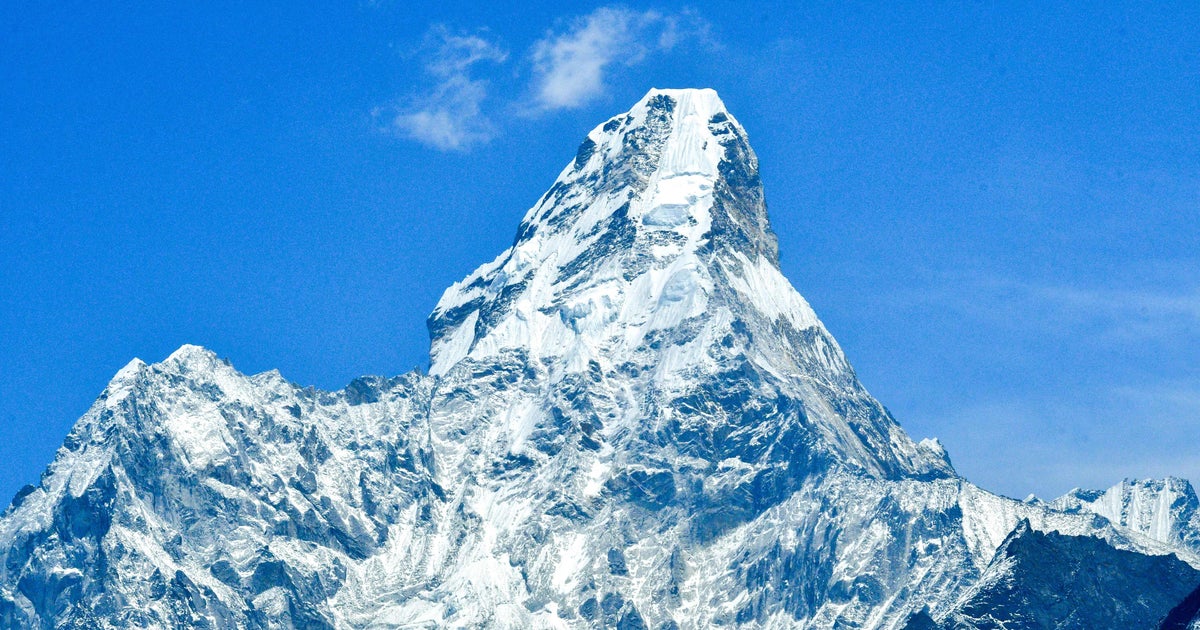
A German mountaineer plummeted nearly 5,000 feet to his death on a Himalayan peak just one day after successfully reaching the summit, highlighting the persistent dangers climbers face even after achieving their goals.
Tragic Descent After Successful Summit
Wolfgang Waschiczek, 57, disappeared from his tent at Camp 3 on Ama Dablam mountain early Monday morning. The experienced climber had reached the 22,349-foot summit on Sunday and was resting at the high-altitude camp before his planned descent. His personal guide, Sonam Lama, left him briefly to return borrowed equipment to other climbers, instructing Waschiczek to remain inside the tent. When the guide returned minutes later, the tent was empty.
Another climbing guide discovered Waschiczek’s body at Camp 2 around 8 a.m. Monday, located at approximately 15,092 feet. The fall covered roughly 1,500 meters of vertical distance. Recovery teams retrieved the body by helicopter that afternoon and transported it to Lukla, the gateway town for climbers heading to the Everest region. Authorities then flew the remains to Kathmandu for examination at Tribhuvan University Teaching Hospital.


Dangerous Season on Challenging Peak
Ama Dablam, located in Nepal’s Khumbu region, ranks among the most technically demanding climbs in the Himalayas. The mountain features steep rock and ice faces that test even seasoned mountaineers. Waschiczek had previously visited Nepal in 2024 for a trekking expedition, making this his second journey to the country. His death marks the first fatality on Ama Dablam this climbing season, though more than 300 climbers are currently attempting to scale the peak.
The tragedy follows a deadly pattern on Himalayan mountains. Last October, two climbers aged 65 and 66 from France and South Korea respectively died during separate expeditions on the same mountain. Just last week, two Japanese climbers lost their lives on a different peak in western Nepal, underscoring the extreme risks these high-altitude environments present.
Understanding the Risks
Gokul Thapa, head of Real Himalaya trekking company that organized Waschiczek’s expedition, expressed sorrow over the incident. The circumstances surrounding how Waschiczek left his tent remain unclear, though altitude sickness, disorientation, and sudden weather changes frequently contribute to climbing accidents. The German embassy will coordinate with Nepalese authorities to return the climber’s remains to his family following the completion of the official examination. The incident serves as a sobering reminder that mountaineering dangers persist throughout entire expeditions, not just during summit attempts.
Sources
Cbsnews: Climber falls nearly 5,000 feet to his death on Nepal mountain after reaching summit