
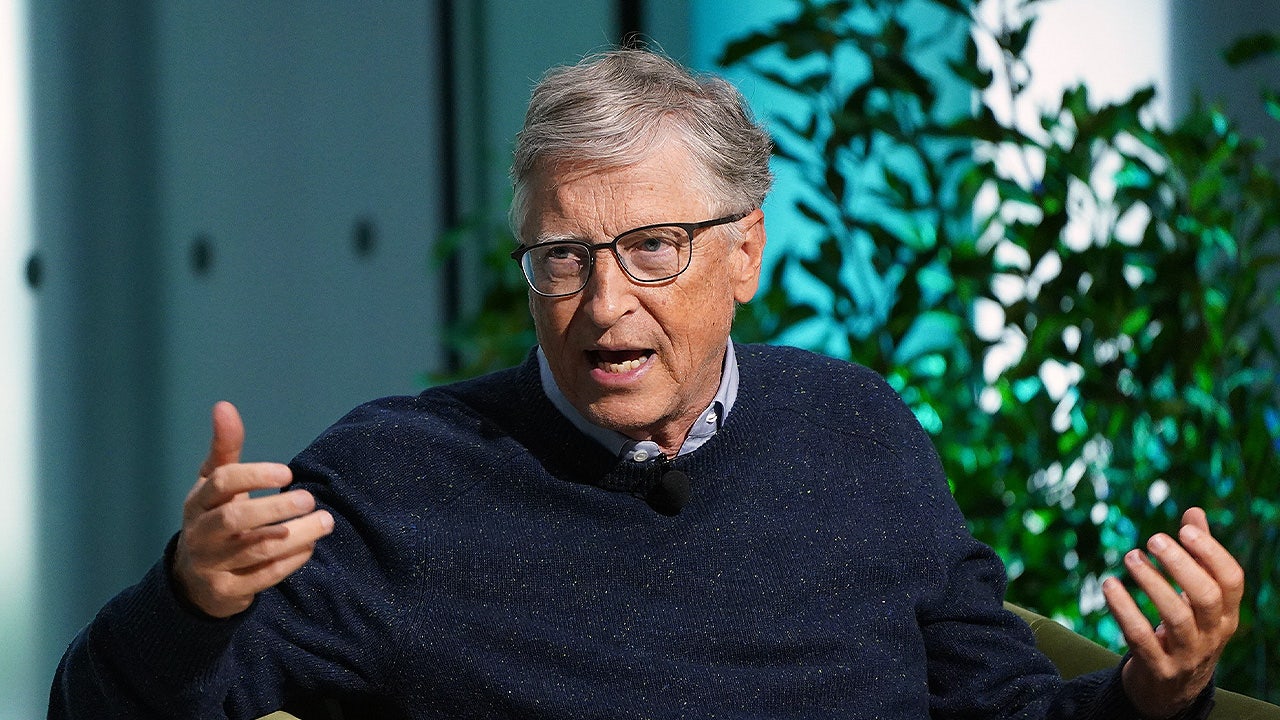
Microsoft co-founder Bill Gates issued a stark warning that artificial intelligence will unleash a wave of devastating cyberattacks over the next twelve months, as criminals gain access to powerful AI models without adequate safeguards to prevent misuse.
AI-Powered Threats Accelerating
Gates told CNN that malicious actors exploiting advanced AI technology could disrupt financial systems, extort businesses, and execute increasingly sophisticated digital assaults. The billionaire philanthropist emphasized that the combination of bad actors, unrestricted access, and cutting-edge AI models creates a dangerous recipe for cybersecurity disasters. CrowdStrike’s 2026 Global Threat Report confirms these concerns, documenting an 89% year-over-year increase in attacks by AI-enabled adversaries during 2025. The report also revealed that cybercriminals can now move laterally through compromised networks in just 29 minutes, down dramatically from previous years.

The technology pioneer warned that criminals have established proven business models for AI-powered attacks, including threatening disruptions to manipulate stock markets or betting systems and demanding ransom payments from targeted organizations. Gates specifically identified cyberattacks as the most immediate threat from artificial intelligence, suggesting other AI dangers remain years away from significant impact.
Bioterrorism Concerns Mount
Beyond cybersecurity threats, Gates addressed concerns that artificial intelligence could enable terrorists to develop biological weapons more easily. He warned that bioterrorist attacks could become 50 times more likely than natural pandemics, though he acknowledged government leaders are not doing enough to prevent such scenarios. When pressed by interviewer Jake Tapper about whether officials are adequately addressing these risks, Gates responded bluntly that current efforts fall short of what’s needed.
Calls for Balanced Regulation
Democratic strategist Oliver Libby emphasized the challenge facing policymakers as they attempt to maintain American technological competitiveness while implementing smart regulation. Libby advocated for a coordinated approach focusing on federal and international standards, platform responsibility, cybersecurity penalties, child safety protections, and ensuring Americans share in AI’s economic benefits. He stressed the importance of preparing society for potential workforce disruption while balancing innovation against security concerns. The strategist argued that leaders who can ensure America stays competitive without leaving citizens behind will earn public trust during this technological transformation.