
President Donald Trump announced he is considering military action alongside Saudi Arabia against Iranian-backed Houthis in Yemen following a deadly missile strike on Riyadh’s main airport that killed 12 people and injured over 300 others. The decision could open a second front in the ongoing conflict with Iran.
Second Strike Hits Riyadh Airport
A projectile struck a passenger terminal at King Khalid International Airport on Sunday, one day after Saturday’s devastating missile attack on the same location. The Saturday strike targeted terminals 3 and 4, which handle domestic flights, according to the Saudi General Authority of Civil Aviation. The attack marks one of the deadliest Houthi strikes on Saudi infrastructure in recent years. No immediate casualty figures were available for Sunday’s follow-up attack on the airport complex.
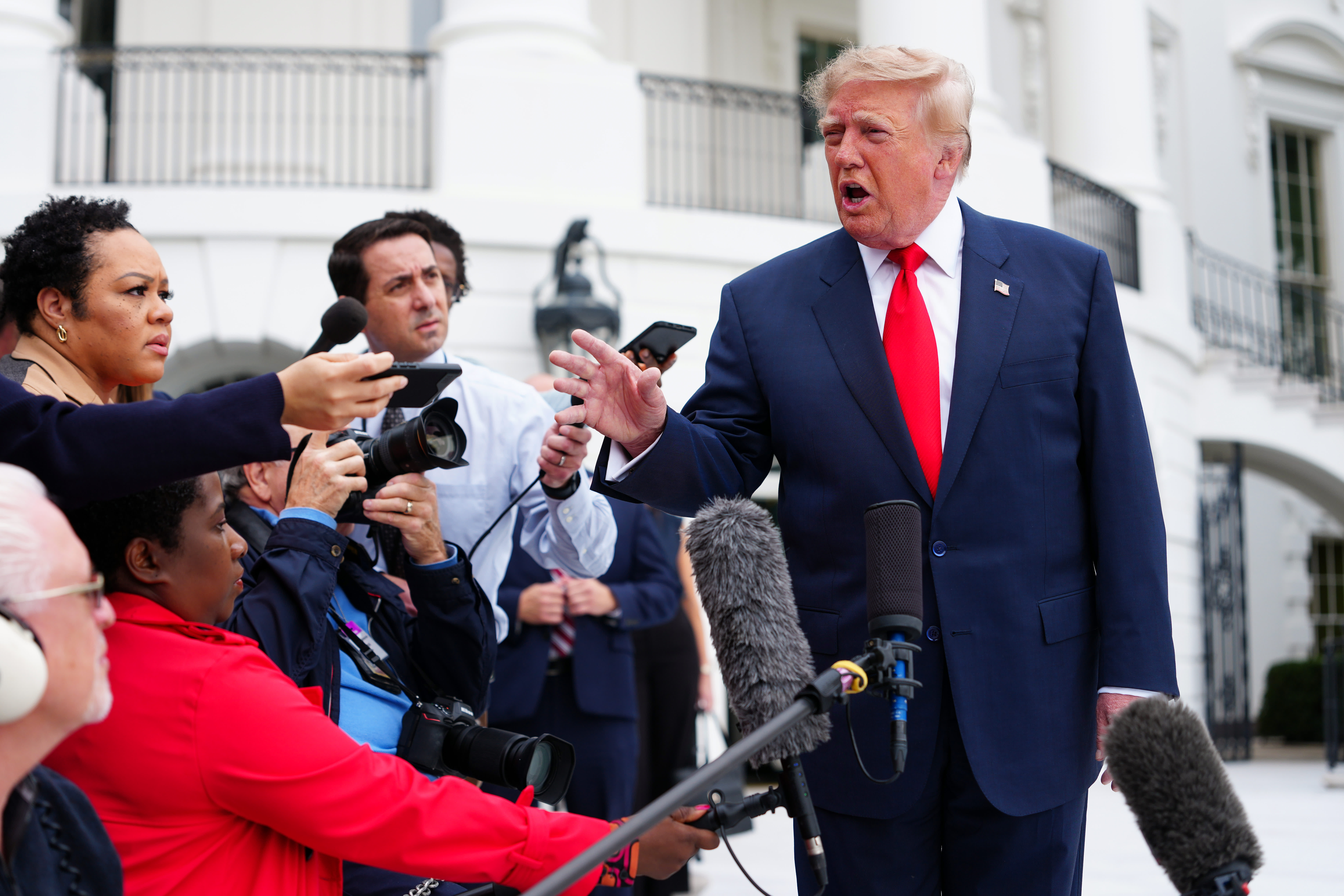
Trump told reporters outside the White House on Saturday that his administration would make a quick determination on military involvement. The president emphasized his team moves rapidly on national security decisions when American allies face threats from Tehran-backed forces.


Saudi Arabia Requests Urgent Defense Support
Two Saudi government officials, including a senior member of the Ministry of Foreign Affairs, confirmed the kingdom formally requested urgent defense support from the United States. The officials spoke on condition of anonymity due to the sensitive nature of ongoing military discussions. They emphasized the U.S. needs to intervene as soon as possible to help the Saudi-led coalition in Yemen fight the Houthis. The White House has not responded to requests for comment on the specific support being requested or the timeline for a presidential decision.
Stretching American Military Resources
Defense analysts warn that U.S. military involvement in Yemen would further strain resources already committed to fighting Iran across the Middle East. American forces currently maintain significant deployments in multiple countries throughout the region to counter Iranian influence and protect key allies. Adding a Yemen mission would require additional personnel, equipment, and logistical support at a time when military planners are already managing complex operations. The decision carries significant implications for American foreign policy and military strategy in one of the world’s most volatile regions.
Background on the Yemen Conflict
The Houthis have controlled large portions of Yemen since 2014, when they seized the capital and forced the internationally recognized government into exile. Saudi Arabia has led a military coalition against the rebels since 2015, viewing the Houthis as a proxy force for Iranian expansion in the Arabian Peninsula. The conflict has created one of the world’s worst humanitarian crises. Iran denies directly controlling the Houthis but provides military and financial support to the rebel group, which has increasingly targeted Saudi territory with missiles and drones.