
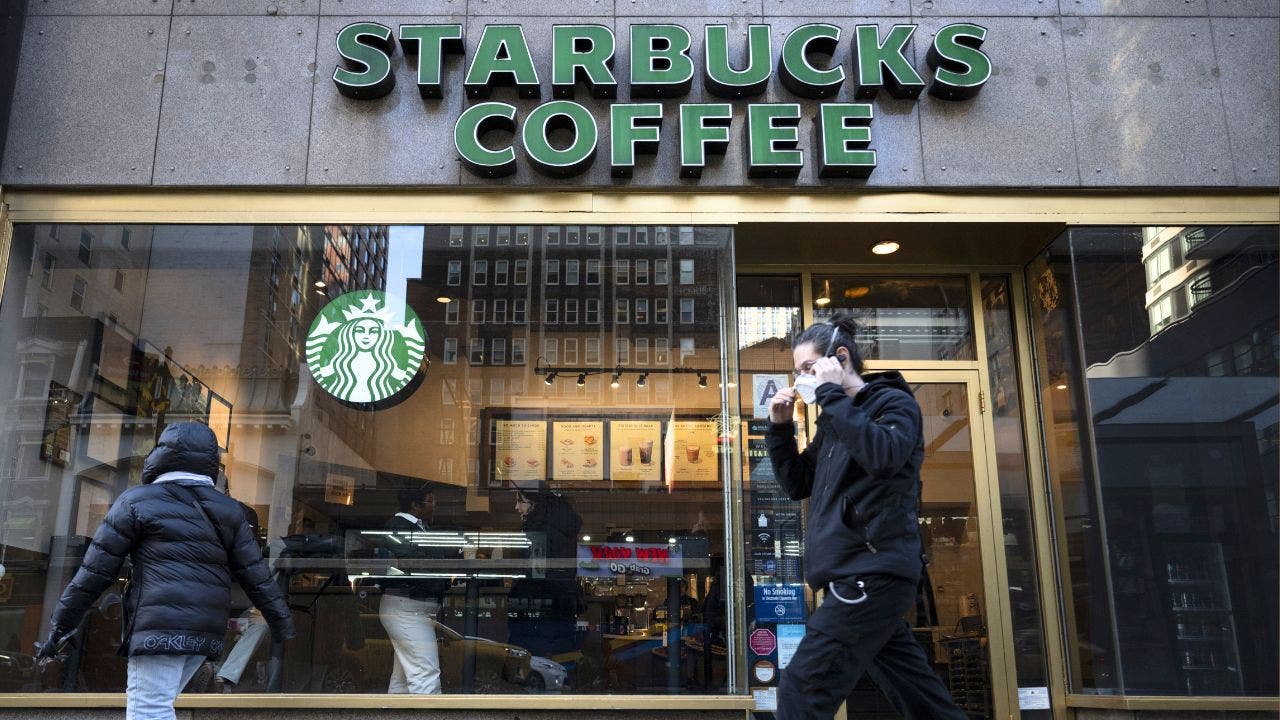
Starbucks faces a federal lawsuit alleging the coffee giant deceived customers by marketing protein drinks as sugar-free when they actually contain up to 21 grams of sugar per serving, violating federal labeling regulations that could expose the company to nationwide damages.
Federal Court Challenge Over Drink Labels
Three consumers filed suit Friday in U.S. District Court for the Western District of Washington, challenging eight Starbucks beverages marketed with the term “Sugar-Free” in their names. The products include hot and iced Sugar-Free Vanilla and Caramel Protein Lattes and Protein Matchas. According to the complaint, venti servings contain between 13 and 21 grams of sugar, with the Sugar-Free Caramel Protein Matcha containing the highest amount at 21 grams. Plaintiffs Michael Walsh of California, Anne Legnini of New York, and Elna Potter of Washington seek to represent customers nationwide who purchased the beverages.
The lawsuit centers on Food and Drug Administration regulations that permit a “sugar free” claim only when products contain less than 0.5 grams of sugar per serving. The plaintiffs argue Starbucks cannot legally use “Sugar-Free” in product names when the drinks exceed this threshold by more than 40 times. The complaint also alleges Starbucks failed to provide required calorie disclaimers, noting the beverages contain roughly 270 to 340 calories per venti serving.


Company Defense: Natural Milk Sugar Distinction
Starbucks strongly disputes the allegations, stating the claims have no merit. A company spokesperson said Starbucks has consistently provided clear nutritional information across product announcements, menus, marketing materials, its website, and mobile app. The company plans to vigorously defend itself in court. The sugar at issue is lactose naturally present in milk used to make the beverages, not added sweeteners. Starbucks has described the products as containing “no added sugar” while incorporating “Sugar-Free” into their names, attempting to distinguish between total sugar content and added sugars.
The plaintiffs counter that this distinction does not satisfy federal requirements. Their complaint states: “This case is about false and misleading product names. It is not about missing nutritional information.” They acknowledge Starbucks provides nutritional data showing sugar content but argue the “Sugar-Free” product names remain deceptive regardless of disclosure.
What This Means For Protein Beverage Market
Starbucks launched its protein beverage lineup in September 2025, seeking to capitalize on growing consumer demand for protein-enhanced drinks. The lawsuit could force the company to rename its entire product line and potentially pay restitution to customers. The plaintiffs are pursuing claims under consumer protection and false advertising laws in Washington, California, and New York, along with breach of implied warranty and unjust enrichment charges. They seek damages, restitution, and a court order barring Starbucks from marketing beverages as “Sugar-Free” unless they meet federal requirements. The case highlights increasing scrutiny of health-focused marketing claims in the food and beverage industry.
Sources
Foxbusiness: Starbucks sued over ‘sugar-free’ protein drinks that contain up to 21 grams of sugar