
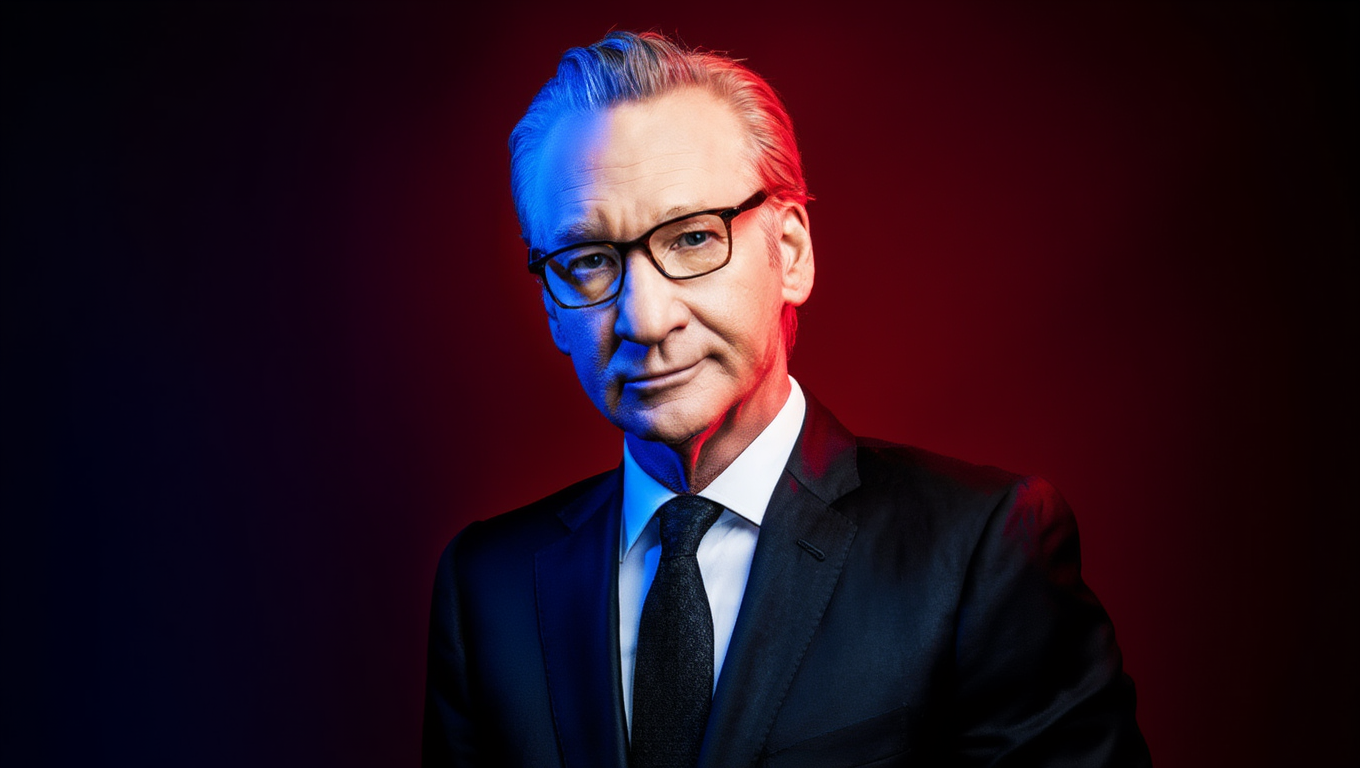
Television host Bill Maher expressed skepticism about celebrities using the Golden Globes platform for political messaging, specifically regarding pins worn in support of Renee Good, an anti-immigration enforcement activist who died during a confrontation with federal agents in Minneapolis.
Speaking to reporters on the red carpet, the 69-year-old “Real Time with Bill Maher” host stated his preference to keep the focus on entertainment rather than political demonstrations. “We’re just here for show business today,” Maher told a USA Today correspondent who inquired about the political statements being made at the awards ceremony.
Regarding the incident that sparked the pin-wearing campaign, Maher acknowledged the tragic nature of the event while maintaining his position against what he viewed as unnecessary political theater. “It was a terrible thing that happened, and it shouldn’t have happened, and if they didn’t act like such thugs, it wouldn’t have happened. But I don’t need to wear a pin about it,” the HBO host commented.
🚨🔥 Bill Maher was asked about Wanda Sykes wearing a “Be Good” pin for Renée Good and turning the moment into activism.
“Come on, we’re here for show business today. Uhh, you know, it was a terrible thing that happened, and it shouldn’t have happened. And, if they didn’t act… pic.twitter.com/hYEBEuoFhh
— Gina Milan (@ginamilan_) January 12, 2026
Celebrity Participants in Political Demonstration
Multiple prominent figures at the awards ceremony chose to wear “Be Good” pins, a reference to the deceased activist. Actor Mark Ruffalo and comedian Wanda Sykes were among the notable participants in this form of political expression at the Hollywood event.
The demonstration extended beyond silent support, with Sykes directly addressing Maher during her presentation duties for the Best Performance in Stand-Up Comedy on Television category. From the stage, she delivered pointed remarks to the veteran comedian, stating, “You give us so much. But I would love a little less. Just try less.”
Camera footage captured Maher’s reaction to the public criticism, showing him maintaining a largely expressionless demeanor while seated in the audience. The award ultimately went to Ricky Gervais, another comedian who has faced similar criticism for his approach to controversial topics and his resistance to what critics describe as progressive orthodoxy.
Wanda Sykes calling out Bill Maher to his face at the Golden Globes:
“Bill Maher, you give us so much… but I would love a little less. Just try less.”
pic.twitter.com/1f2W6mjQeS— cinesthetic. (@TheCinesthetic) January 12, 2026
Background of the Minneapolis Incident
The pins reference Renee Good, a 37-year-old mother of three who died during an encounter with Immigration and Customs Enforcement officers in Minneapolis. Federal authorities maintain that ICE agent Jonathan Ross, a decade-long veteran of the agency, acted in self-defense when he discharged his weapon three times during the incident.
According to official accounts, Good was operating a vehicle that moved into the path of the federal agent. The circumstances surrounding the shooting have generated significant controversy, with federal officials characterizing the incident as domestic terrorism while critics question the use of lethal force.
Video evidence that surfaced following the shooting provides additional context for the events. The footage shows Good’s wife, Rebecca, encouraging her spouse to leave the scene rapidly, with audio capturing her saying “drive, baby, drive,” in the moments before the fatal encounter occurred.
Investigators determined that both women had been engaged in what authorities described as harassment of ICE personnel throughout the day leading up to the shooting. Good’s involvement with “ICE Watch,” described by neighbors as an organization dedicated to disrupting immigration enforcement activities, adds another layer to the circumstances surrounding her death.
Political Response and Federal Position
The incident has become a focal point for criticism of the Trump administration’s immigration enforcement policies during the president’s second term. Democratic officials in Minnesota have used the shooting to advance arguments against what they characterize as aggressive immigration enforcement tactics.
Minnesota Governor Tim Walz and Minneapolis Mayor Jacob Frey have publicly questioned the actions of federal agents, suggesting that ICE personnel acted with excessive force. Their statements reflect broader tensions between local Democratic leadership and federal immigration enforcement priorities.
The federal perspective emphasizes the dangerous nature of the encounter and the agent’s previous experiences with similar situations. Records indicate that Ross was previously injured during an arrest attempt involving an undocumented immigrant, during which he was dragged a significant distance by a vehicle.
Entertainment Industry Political Activism
The Golden Globes pin demonstration represents a continuation of entertainment industry political activism that has become increasingly common at major awards ceremonies. The practice of using high-profile events to promote political causes has generated ongoing debate about the appropriate role of celebrities in political discourse.
Maher’s position reflects a perspective that advocates for separation between entertainment and political messaging, even as many of his industry colleagues embrace the opposite approach. His stance aligns with comedians like Gervais, who have similarly resisted pressure to conform to particular political viewpoints in their professional work.
The exchange between Sykes and Maher illustrates the tensions within the entertainment community regarding political expression and the boundaries of acceptable discourse. These divisions often mirror broader societal debates about free speech, political correctness, and the responsibilities of public figures.
Broader Immigration Enforcement Context
The Minneapolis incident occurred within the context of expanded immigration enforcement activities during Trump’s second presidential term. The administration has implemented what officials describe as necessary measures to address illegal immigration, while critics argue these policies create dangerous confrontations.
Organizations like ICE Watch have emerged as opposition groups specifically focused on monitoring and disrupting federal immigration enforcement activities. These groups argue that their actions are necessary to protect immigrant communities, while federal authorities maintain that such interference creates dangerous situations for all involved parties.
The death of Renee Good has become symbolic for both sides of the immigration debate, with supporters viewing her as a victim of excessive government force and critics pointing to the circumstances of the encounter as evidence of the risks created by activist interference with law enforcement operations.
The ongoing political and cultural divisions surrounding immigration policy continue to manifest in various forums, from awards ceremonies to local government meetings, reflecting the deeply held convictions on multiple sides of these complex issues.