
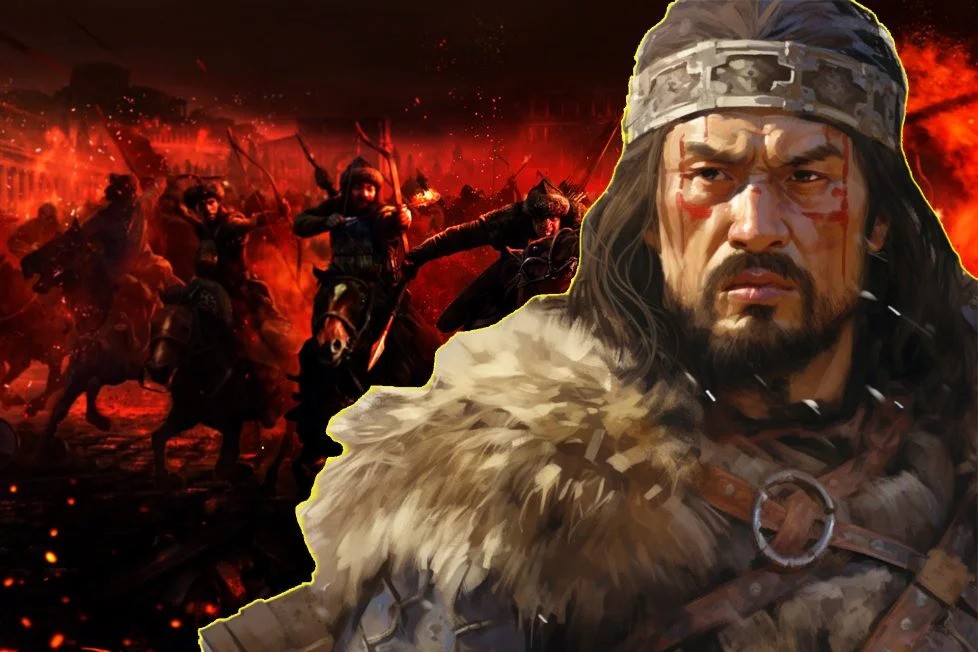
Modern historians are dismantling the leftist academic narrative that painted Attila the Hun as a barbaric villain, revealing he was actually a sophisticated diplomat who built a multi-ethnic empire through strategic alliances rather than mere savagery.
Academic Bias Exposed in Historical Portrayal
For generations, academic historians influenced by anti-Western sentiment portrayed Attila the Hun as nothing more than a savage destroyer of civilization. Recent scholarship reveals this narrative was deliberately crafted to diminish the complexity of non-Roman societies. The name “Attila” itself may not have been his birth name but rather a title meaning “Little Father,” suggesting a more nuanced leadership role than previously acknowledged by establishment historians.
Multi-Ethnic Empire Challenges Simplistic Narratives
Contrary to leftist academic oversimplifications, Attila ruled over a sophisticated confederation that included Ostrogoths, Alans, Bulgars, and Gepids—not just Huns. This multi-ethnic structure required diplomatic skill and political acumen that modern scholars have systematically ignored. The empire’s organization paralleled successful American principles of federalism, where diverse groups maintained identity while contributing to collective strength under strong central leadership.
Diplomatic Skills Reveal Strategic Leadership
Historical records demonstrate Attila’s mastery of both warfare and negotiation, extracting substantial tribute from Roman emperors through calculated pressure rather than mindless aggression. His relationship with Honoria, sister of Western Roman Emperor Valentinian III, provided the pretext for his invasion of Gaul in 451 AD. This strategic exploitation of Roman internal divisions mirrors how effective leaders today must navigate complex political landscapes to achieve their objectives.
Empire’s Collapse Demonstrates Leadership Importance
The rapid disintegration of Attila’s empire following his mysterious death in 453 AD proves how critical individual leadership remains over bureaucratic systems. Internal conflicts among his sons and the subsequent Germanic revolt at the Battle of Nedao in 454 AD led to complete collapse within a year. This historical lesson resonates with conservatives who understand that strong leadership and traditional values, not expansive government institutions, preserve civilizations against external threats and internal decay.
The complete absorption of Hunnic territories by 469 AD marked the end of one of history’s most significant nomadic empires, leaving behind valuable lessons about leadership, diplomacy, and the fragility of political systems dependent on individual strength rather than institutional continuity.
Sources:
Attila the Hun Timeline – Totally History
Attila the Hun Timeline – World History Encyclopedia
Attila’s Hun Empire – World History Maps
Attila, King of the Huns – Britannica