
How Grassroots Movements Change Policy
Throughout history, significant policy changes have often originated not from the corridors of power, but from the streets, community centers, and living rooms where ordinary citizens gather to demand change. Grassroots movements—organized efforts driven by people at the local level rather than by political leaders or institutions—have proven to be one of the most effective mechanisms for transforming public policy. Understanding how these movements operate and succeed offers valuable insights into the democratic process and the power of collective action.
The Anatomy of Grassroots Movements
Grassroots movements typically emerge when a segment of the population identifies a policy gap, injustice, or unmet need that established institutions have failed to address. Unlike top-down initiatives, these movements build momentum from the bottom up, relying on volunteer participation, community organizing, and sustained civic engagement. They harness the collective power of individuals who share common concerns and are willing to invest time, energy, and resources into advocating for change.
What distinguishes grassroots movements from other forms of political activism is their decentralized nature and emphasis on broad-based participation. Rather than depending on a single charismatic leader or substantial financial backing, these movements draw strength from diverse voices united by a shared purpose. This horizontal structure often makes them more resilient and adaptable than traditional advocacy organizations.
Key Mechanisms for Policy Change
Grassroots movements employ several proven strategies to influence policy makers and drive legislative change:
Building Public Awareness and Shifting Narratives
One of the most fundamental ways grassroots movements effect change is by transforming public discourse. By organizing educational campaigns, demonstrations, and media outreach, these movements bring attention to issues that might otherwise remain invisible. They reframe problems, challenge dominant narratives, and create new language for discussing social issues. This shift in public consciousness creates political pressure and makes previously ignored problems impossible for policymakers to dismiss.
The power of narrative change cannot be underestimated. When movements successfully alter how the public understands an issue, they create a receptive environment for policy reform. Politicians, who depend on public support, become more willing to champion causes that have gained widespread legitimacy.
Mobilizing Constituents and Voter Engagement
Grassroots movements leverage their most valuable asset: people. By mobilizing constituents to contact elected officials, attend town halls, and participate in public comment periods, movements demonstrate the breadth and intensity of public support for their causes. This direct engagement reminds policymakers that their decisions have electoral consequences.
Movements also engage in voter education and registration drives, often targeting communities that have been historically underrepresented in the political process. By expanding the electorate and increasing civic participation, grassroots organizations can fundamentally alter the political landscape and create new coalitions that support policy reform.
Strategic Coalition Building
Successful grassroots movements rarely work in isolation. They build coalitions with other organizations, advocacy groups, and sympathetic institutions to amplify their message and broaden their base of support. These alliances can bridge different constituencies, combine resources, and present a united front that is more difficult for opposition to dismiss or divide.
Coalition building also helps movements gain access to expertise, legal resources, and established advocacy networks that can navigate the complexities of the policy-making process. This collaboration between grassroots energy and institutional knowledge often proves essential for translating popular demands into concrete legislative proposals.
Direct Action and Civil Disobedience
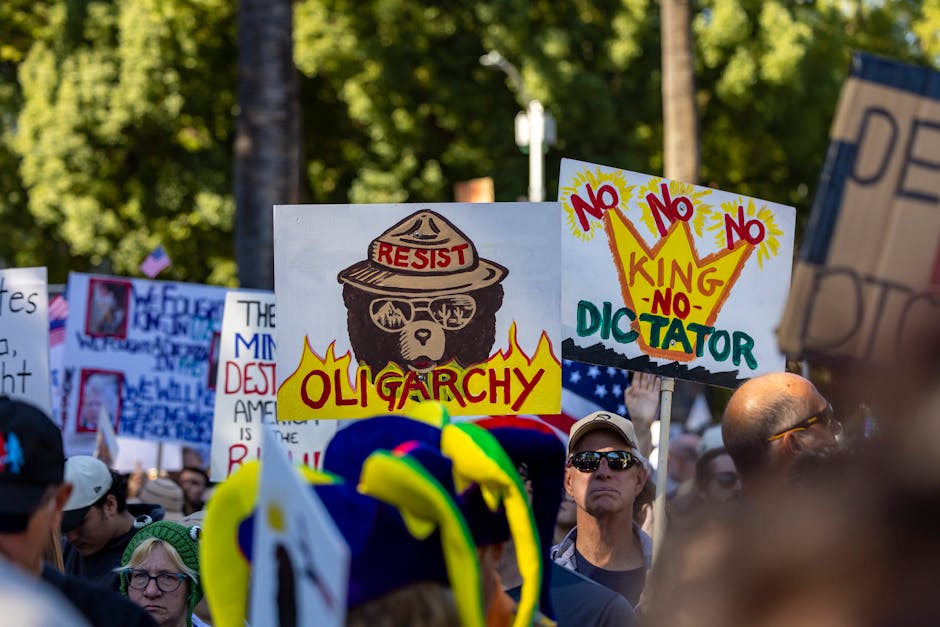
When conventional channels prove insufficient, grassroots movements may employ direct action tactics such as protests, sit-ins, strikes, or boycotts. These activities serve multiple purposes: they demonstrate commitment and urgency, disrupt business as usual, attract media attention, and force those in power to respond. While controversial, civil disobedience has historically been a catalyst for significant policy reforms, particularly when movements face entrenched opposition.
The effectiveness of direct action often lies not just in the disruption itself, but in the moral clarity it can provide. When ordinary citizens are willing to face personal consequences for their beliefs, it challenges others to examine the justice of existing policies.
Navigating the Policy Process
Understanding the technical aspects of policy-making is crucial for grassroots success. Movements that effectively change policy invest in learning how legislation is drafted, debated, and passed. They identify sympathetic lawmakers who can champion their causes, provide testimony at hearings, submit formal comments on proposed regulations, and monitor implementation of new policies.
- Conducting research and gathering data to support policy proposals
- Drafting model legislation that lawmakers can introduce
- Tracking bills through the legislative process and mobilizing support at critical moments
- Ensuring accountability by monitoring policy implementation
- Engaging in litigation when necessary to challenge unjust laws or policies
The Long Game: Persistence and Adaptation
Perhaps the most important factor in grassroots success is sustained commitment over time. Policy change rarely happens quickly. Movements must maintain momentum through setbacks, adapt strategies as circumstances change, and celebrate incremental victories while keeping sight of larger goals. This requires building durable organizations, developing new leaders, and creating structures that can sustain activism across years or even decades.
History demonstrates that many of society’s most significant policy achievements—from labor protections to civil rights legislation to environmental regulations—resulted from grassroots movements that persisted through initial failures and opposition. The key lies in maintaining organizational capacity, continuously recruiting new participants, and remaining flexible in tactics while staying committed to core principles.
Conclusion
Grassroots movements remain vital instruments for democratic policy change because they channel popular will into organized action. By raising awareness, mobilizing constituents, building coalitions, and engaging directly with the policy process, these movements transform individual grievances into collective demands that institutions cannot ignore. While the path from protest to policy is neither simple nor guaranteed, grassroots movements demonstrate that ordinary citizens, when organized and committed, possess the power to reshape the laws and institutions that govern society. In an era of rapid social change and political polarization, understanding how grassroots movements succeed offers hope that democratic participation can still produce meaningful reform.