
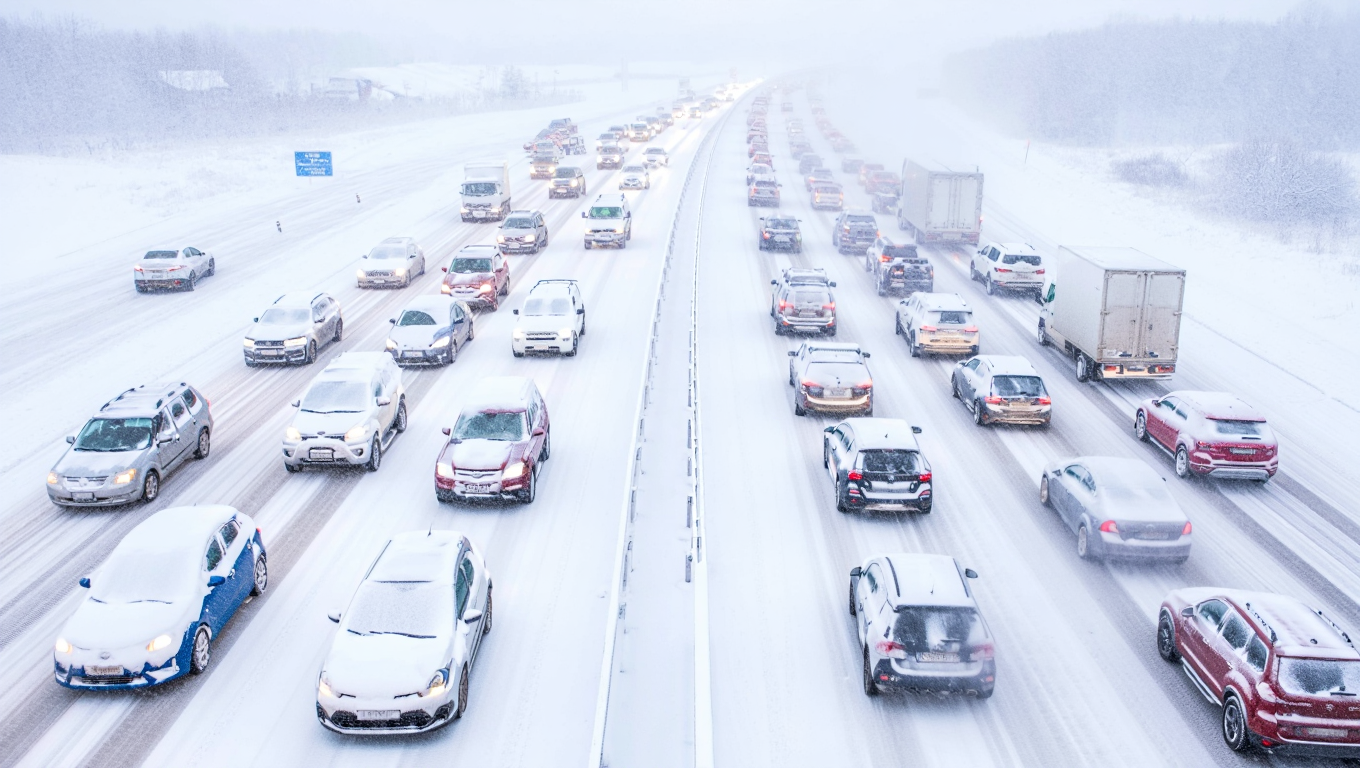
A brutal winter storm has brought the United States to a standstill this weekend, claiming at least seven lives and plunging more than 800,000 households into darkness as Arctic conditions grip regions from the Gulf Coast to New England.
The massive weather system, driven by a disrupted polar vortex, has created what meteorologists are calling one of the most severe winter events in recent memory, affecting an estimated 180 million Americans—more than half the nation’s population.
Fatalities Mount as Hypothermia Takes Toll
Louisiana health officials confirmed two men died from hypothermia as temperatures plummeted far below normal for the region. The deaths underscore the particular danger this storm poses to southern states unaccustomed to such extreme cold.
Austin’s mayor reported an exposure-related fatality in the Texas capital, while Kansas authorities discovered a woman’s body covered in snow Sunday afternoon, with hypothermia suspected as the cause of death. Tennessee has recorded three weather-related deaths as the storm continues its deadly march across the country.
In New York City, Mayor Zohran Mamdani disclosed that five people died Saturday, though the official causes of death remain under investigation. The mayor’s statement served as a stark reminder of winter’s annual toll on urban populations.
“It is a reminder that every year New Yorkers succumb to the cold,” Mamdani wrote on social media, highlighting the ongoing vulnerability of residents even in well-prepared northern cities.
Infrastructure Cripples Under Arctic Assault
The storm’s impact on critical infrastructure has been devastating. Power outage tracking service PowerOutage.us reported more than 800,000 customers without electricity as of Sunday afternoon, with numbers continuing to fluctuate as utility crews struggle against dangerous conditions.
Aviation has been particularly hard hit, with FlightAware documenting over 11,000 flight cancellations—a massive disruption that has stranded travelers nationwide and highlighted the storm’s far-reaching economic consequences.
The combination of heavy snow, sleet, and freezing rain presents unique challenges for recovery efforts. Freezing rain, a particularly dangerous phenomenon where supercooled water droplets instantly freeze upon contact with surfaces, creates treacherous conditions that can persist long after the storm passes.
“The snow and the ice will be very, very slow to melt and won’t be going away anytime soon, and that’s going to hinder any recovery efforts,” explained Allison Santorelli, a National Weather Service meteorologist, in comments to CBS News.
Government Response and Emergency Declarations
Nearly half of all U.S. states have declared emergencies as officials scramble to coordinate response efforts. The federal government has also acknowledged the storm’s severity, with the U.S. Senate canceling a scheduled Monday evening vote.
New York Governor Kathy Hochul issued stark warnings to residents, describing the event as an “arctic siege” that has engulfed multiple states. Her assessment reflects the unusual scope and intensity of this weather system.
“This is certainly the coldest weather we’ve seen, the coldest winter storm we’ve seen in years,” Hochul said Sunday. “It is bone-chilling, and it is dangerous.”
Washington D.C. Mayor Muriel Bowser declared a local emergency, characterizing the event as “the biggest snowstorm in a decade” for the nation’s capital. The declaration enables enhanced coordination between local, state, and federal resources.
Ice Emerges as Primary Threat
While snow accumulations have garnered significant attention, meteorologists emphasize that ice formation poses the greatest immediate danger. Kentucky Governor Andy Beshear noted his state was experiencing more ice than initially forecast—a development he characterized as particularly concerning.
“That is not good news for Kentucky,” Beshear stated, acknowledging ice’s potential to cause widespread infrastructure damage.
TREES ARE EXPLODING IN MICHIGAN AND MINNESOTA.
This is due to extreme colds.
pic.twitter.com/krCqIWkTLY— DramaAlert (@DramaAlert) January 24, 2026
Ice accumulations of up to one inch are expected across southern regions, with the potential to snap tree branches, topple power lines, and create impassable road conditions. Virginia and Kentucky authorities have already responded to hundreds of vehicle crashes as drivers struggle with deteriorating road surfaces.
Regional Variations in Storm Impact
The storm’s effects vary dramatically by region, highlighting America’s diverse climate zones and preparedness levels. Northern states like the Dakotas and Minnesota, while accustomed to sub-zero temperatures, are still experiencing conditions at the extreme end of their typical winter weather.
Southern states face more acute challenges, with temperatures running 15-20 degrees Celsius below seasonal averages in areas like Texas, Louisiana, and Tennessee. These regions lack the infrastructure and experience necessary to handle prolonged Arctic conditions, making recovery efforts more complex and dangerous.
Educational institutions have preemptively canceled classes across multiple states, with school districts prioritizing student and staff safety over academic schedules. The widespread closures reflect lessons learned from previous winter emergencies and demonstrate improved coordination between weather services and local authorities.
Meteorological Analysis and Polar Vortex Connection
Weather experts attribute this extreme event to a disrupted polar vortex—the ring of strong westerly winds that typically contains frigid Arctic air in northern latitudes. When these winds weaken or become unstable, Arctic air masses can plunge southward into regions unprepared for such conditions.
The current storm represents a textbook example of polar vortex disruption, with consequences extending far beyond typical winter weather patterns. The phenomenon helps explain why southern states are experiencing temperatures more commonly associated with northern Canada.
Meteorologists predict the severe conditions could persist for several days, with snowfall totals potentially reaching 5-11 inches in some areas. The extended duration of this weather event compounds its danger and complicates emergency response efforts.
Cross-Border Impact Extends to Canada
The storm system has not respected international boundaries, with Canadian provinces also experiencing significant disruptions. Ontario officials estimate 15-30 centimeters of snowfall, while hundreds of flights have been canceled at Canadian airports.
The cross-border nature of this weather event demonstrates the continental scale of the atmospheric disturbance and suggests coordination between American and Canadian meteorological services has been crucial for accurate forecasting and public safety warnings.
Looking Ahead: Recovery Challenges
As the immediate crisis continues, attention is already turning to recovery efforts that may be complicated by the storm’s persistence and severity. The slow-melting ice and snow predicted by meteorologists could extend power outages and transportation disruptions well beyond the storm’s active phase.
Utility companies face the dual challenge of restoring power while ensuring worker safety in dangerous conditions. The scale of outages, combined with difficult access conditions, suggests some communities may remain without power for extended periods.
This winter storm serves as a reminder of nature’s capacity to disrupt modern life and the importance of emergency preparedness across all regions of the United States, regardless of typical climate patterns.