
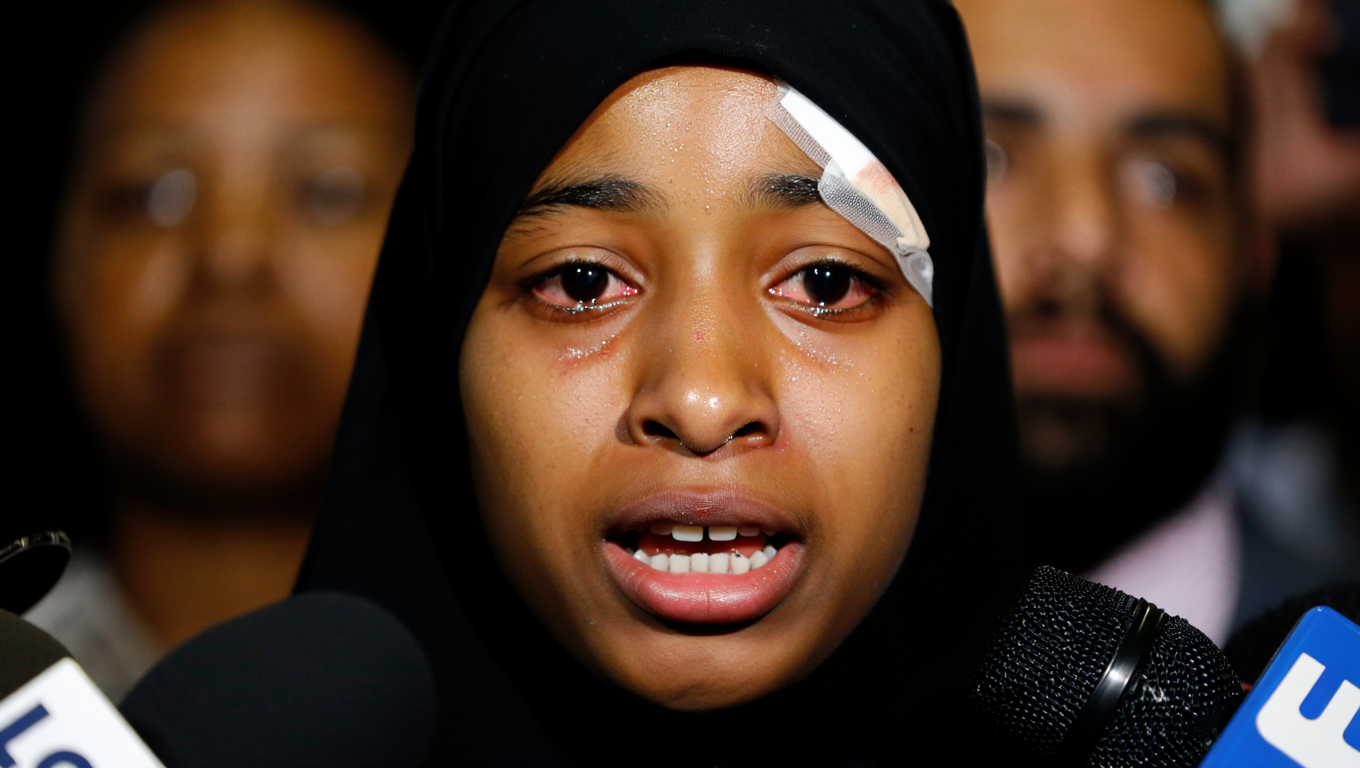
A 23-year-old U.S. citizen from St. Paul is speaking out about her experience in federal immigration detention, alleging excessive force and racial harassment during her arrest and subsequent two-day incarceration. The case has intensified concerns about expanded immigration enforcement operations in Minnesota’s Twin Cities region.
Nasra Ahmed, born in Minnesota and holding no criminal record in the state, was detained Wednesday morning outside her apartment complex in what she describes as a case of being in the wrong place at the wrong time. Her account adds to mounting reports of both citizens and non-citizens being swept up in heightened immigration enforcement activities that have escalated significantly since early January.
Incident Details and Allegations
According to Ahmed’s account, she was leaving her residence around 11:30 a.m. to collect prescription medication when she encountered Immigration and Customs Enforcement agents pursuing two Somali-American men through the parking lot. Despite producing identification when requested and complying with officers’ instructions, the situation rapidly deteriorated.
Ahmed alleges that during the encounter, at least one agent used racial slurs while another made references to “making America great again.” Video footage captured by residents and shared on social media platforms shows approximately twelve masked agents surrounding the petite woman before forcing her to the ground and into a vehicle.
Nasra Ahmed, 23, was walking through the parking lot of her aunt’s St. Paul apartment complex when she found herself surrounded by a dozen agents. Ahmed, born in the USA, says she showed them her I.D. She was forcefully detained and jailed anyway for more than two days.… pic.twitter.com/nRgRFQBbPX
— Frederick Melo, Reporter/Axolotl (@FrederickMelo) January 18, 2026
The physical altercation left visible injuries on Ahmed, who displayed bruising and broken skin on her head during interviews with reporters. At 5-foot-4 and 112 pounds, according to jail records, Ahmed questions the necessity of the force used against her by the team of federal agents.
“The level of force seemed disproportionate to any perceived threat,” Ahmed explained, describing how agents pinned her down despite her cooperation. She reported ongoing head pain and body aches following the incident, along with emotional trauma from what she characterized as a terrifying experience.
Detention Experience
Following her arrest, Ahmed was transported to the Whipple Federal Building at Fort Snelling, where she was initially held in a detention cell. Her cellmate, described as a Native American woman, had visible leg injuries and bloodied clothing, allegedly from being forcibly removed from her vehicle during a separate enforcement action.
Ahmed was subsequently transferred to Sherburne County jail in Elk River, a facility that serves as an ICE holding center. Jail records listed her as being held on pending federal felony charges, though no specific details about the nature of these charges were provided in the documentation.
During her detention, Ahmed experienced what appeared to be a stress-induced seizure, leading to her transport to a medical facility while restrained at both arms and legs. The 23-year-old, who has been dealing with ongoing medical issues including seizure-like symptoms, described relying on prayer and faith during the ordeal.
Nasra Ahmed, a 23-year-old US citizen, was arrested and detained by ICE. She was held for TWO DAYS.
ICE agents handcuffed her, called her a racial slur, and she was knocked to the ground so hard she got a concussion.
This cannot continue happening. ICE needs to leave. pic.twitter.com/zDBgfqMRYI
— Minnesota House DFL (@mnhouseDFL) January 22, 2026
Her father, Mohamed Ahmed, expressed frustration at being unable to contact or visit his daughter during the two-day detention period. “This treatment is fundamentally wrong,” he stated, pointing to his daughter’s citizenship status and lack of criminal history as evidence of overreach in enforcement activities.
Community Response and Broader Context
The incident has generated significant concern within St. Paul’s Somali-American community, particularly among residents of the housing complex where Ahmed lives with relatives. Community members have expressed alarm that a U.S. citizen with no criminal background could be detained by immigration authorities under these circumstances.
The case occurs amid a substantial escalation in immigration enforcement throughout the Twin Cities metropolitan area. Operations that began in late 2025 have intensified dramatically since early January, with an estimated 2,000 ICE and U.S. Customs and Border Protection agents deployed to the region.
Department of Homeland Security Secretary Kristi Noem announced last week that federal authorities plan to deploy “hundreds more” officers to Minnesota, signaling continued expansion of enforcement activities. The Trump administration has also indicated it may invoke the Insurrection Act of 1807, a rarely used statute that would permit federal military deployment within the state.
Somali Nasra Ahmed: "Being Somali is more than just eating bananas & rice, it's a lot, it’s interesting, it's kind of like bananas & rice. You can eat bananas and rice.”
My word. Quality Learing Center level education on full display.
pic.twitter.com/lvnAkVAF0E— Benny Johnson (@bennyjohnson) January 23, 2026
Legal and Constitutional Implications
Ahmed’s case raises significant questions about the scope and methodology of current immigration enforcement operations. Legal experts note that the detention of U.S. citizens during immigration sweeps, while not unprecedented, requires careful scrutiny to ensure constitutional protections are maintained.
The allegations of racial harassment and excessive force during the arrest add additional layers of concern about enforcement practices. Civil rights advocates argue that such incidents demonstrate the need for enhanced oversight and accountability measures in immigration operations.
The confiscation of Ahmed’s cellular phone, which has not been returned according to her account, also raises questions about communication rights during detention. Access to legal counsel and family contact are fundamental aspects of due process that must be preserved regardless of the circumstances of arrest.
Pattern of Incidents
Ahmed’s detention represents part of what appears to be a growing pattern of immigration enforcement actions affecting both documented and undocumented individuals in Minnesota. Reports of similar incidents involving U.S. citizens have emerged from other areas experiencing intensified enforcement operations.
The targeting of predominantly minority communities has drawn particular attention from civil rights organizations and community advocates. Critics argue that current enforcement strategies disproportionately impact communities of color and create an atmosphere of fear that extends beyond undocumented residents.
Former Amazon warehouse employee Ahmed had been taking time away from work to address recurring medical issues, including the seizure-like symptoms that manifested during her detention. Her case illustrates how enforcement actions can affect individuals who are already dealing with health challenges and other personal circumstances.
Moving Forward
As Ahmed recovers from her detention experience, questions remain about accountability for the alleged mistreatment and the broader implications for immigration enforcement in Minnesota. The incident has galvanized community advocacy groups and raised calls for investigation into current practices.
The case also highlights the complex challenges facing communities where immigration enforcement operations are conducted, particularly regarding the protection of citizens’ rights while authorities pursue their stated objectives. The balance between enforcement goals and constitutional protections continues to be a subject of intense debate and legal scrutiny.
Ahmed’s willingness to speak publicly about her experience provides insight into the human impact of expanded immigration operations, offering a firsthand account of how enforcement activities affect individuals and communities in the Twin Cities region.