
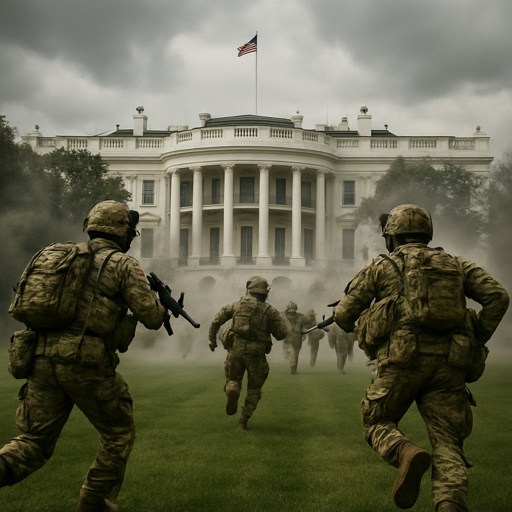
A military uniform is far more than just clothing; it is a meticulously designed piece of equipment and a symbol of national identity. Every stitch, patch, and color choice tells a story about tradition, combat necessity, and the evolution of warfare. From the earliest days of the republic, these uniforms have been constantly perfected, balancing the need for ceremonial pride with the necessity of survival on the battlefield.
By looking closely at seven core features, we can appreciate the hidden history and profound symbolism woven into the fabric of the armed forces.
1. The Meaning of Distinctive Colors
Early uniforms in the 18th century relied on bright colors, such as the familiar blue, not just for appearance, but for easy identification on a chaotic battlefield. However, specific colors and small details, known as “facings,” were crucial for unit cohesion. Different colored trim—red, yellow, or white—showed which state or regiment a soldier belonged to. This tradition continues today, where specific colors define ceremonial and dress uniforms, tying modern service members directly to the nation’s founding heritage.
2. The Hidden Science of Camouflage
The shift from brightly colored coats to dull, earthy tones marks a pivotal moment in military history. As weaponry improved, standing out became dangerous, forcing the move to shades of khaki and olive drab.
Modern combat demands highly specialized camouflage patterns, which are complex puzzles of color and shape designed to disrupt the human eye’s ability to recognize a form. These patterns are scientifically developed to blend into specific environments, from dry deserts to lush forests, prioritizing the safety and operational effectiveness of the wearer above all else.
3. Insignia: A Language of Rank and Loyalty
Every uniform carries a collection of badges, patches, and brass ornaments that act as a silent language. These are known as insignia, and they immediately communicate a soldier’s rank, job, training, and unit loyalty. The placement of a chevron, a star, or a badge is strictly regulated to establish the command structure. It allows anyone to instantly identify who is in charge and what qualifications an individual holds, ensuring order and discipline in critical situations.
4. Headgear: Protection and Pride
The headwear worn by service members has evolved dramatically, from the tall, decorative shako hats of the 19th century to modern, highly protective ballistic helmets. Historically, headgear was a powerful symbol of military bearing and tradition. Today, while ceremonial hats maintain that pride, field headgear is engineered for safety, offering lightweight protection from impact and the elements. Its design is always a compromise between honoring the past and ensuring contemporary physical security.
5. From Wool to Advanced Materials
Early uniforms were often made of simple wool or cotton, which could be heavy, hot, or slow to dry. The evolution of military uniforms has been closely tied to advances in materials science. Today’s uniforms incorporate advanced synthetic fibers that are lightweight, wick moisture away from the body, and, crucially, are flame-resistant. These material innovations dramatically increase the comfort and survivability of troops operating in extreme and hazardous conditions around the world.
6. Branch Identity and Distinctive Styles
While many aspects of military uniforms are standardized, each service—the Army, Navy, Air Force, Marine Corps, and Space Force—maintains distinctive uniform elements. These unique details, such as the famous dress blues of the Marine Corps or the specific cut of a naval uniform, are powerful expressions of branch identity and pride. These differences cultivate a deep sense of belonging and tradition, defining the service’s unique culture and history.
7. The Future is Woven In
As technology advances, the uniform is quickly becoming an integrated platform. Modern combat uniforms are no longer just fabric; they incorporate pockets and loops designed to manage communication wires and battery packs for essential gear. Researchers are constantly working to embed wearable electronics and sensors directly into the material. This push toward intelligent textiles aims to provide real-time information about a soldier’s health, location, and surrounding environment.
As a former Coastie, I am surprised that you did not include us in your article. Please honor the U.S.Coast Guard – Semper Paratus.
Yes, I noticed that too, as a retired Coastie CPO, I don’t like it, but have somewhat adjusted to having it happen. While the Big “3” celebrate 250 years this year, it really isn’t so, all were disbanded after the revolution, so the Coast Guard is the Longest Continuous Branch of the Military with 236 years, (1790-2025).