
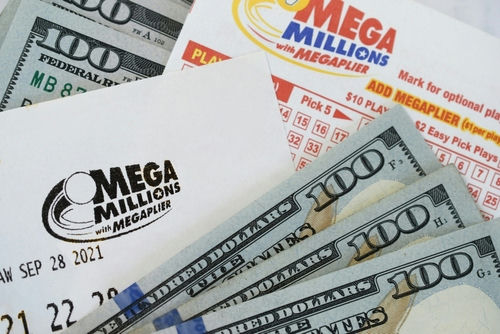
Powerball hypes nine “hot” numbers to lure dreamers chasing instant wealth, but statisticians warn it’s a classic gambler’s trap preying on hardworking Americans’ hopes.
Powerball’s Hot Numbers Hype
Stats trackers identify nine Powerball numbers with elevated recent draw frequencies, such as pairs like 61-69 appearing 15 times together. Sites like LottoAmerica and LotteryExtreme list these as “hot” based on data through the December 16, 2025 draw, totaling 3,144 since 1998. Examples include numbers like 6, 11, 13, and 21, drawn frequently in recent months. This trend contrasts with “cold” numbers like 26, overdue for 286 days since January 1, 2025. Three weekly draws since August 2021 accelerate frequency shifts. Media spotlights these to spark interest as jackpots roll over.
Random Draws Defy Patterns
Multi-State Lottery Association oversees Powerball with certified equipment ensuring each draw’s independence. The current matrix, set since October 7, 2015, selects 5 from 69 white balls and 1 from 26 red Powerballs. Every combination faces identical 1 in 292.2 million jackpot odds. Lottery sites including Powerball.net stress past frequencies reveal no predictive edge. Washington’s lottery data shows long-term leaders like 03 and 12 at 100 draws each since inception, yet variance normalizes over time. Lotteries repeat that hot streaks stem from natural probability swings.
Lottery Evolution and Operations
Powerball began January 5, 1992, under MUSL, serving 45 states, D.C., Puerto Rico, and U.S. Virgin Islands. Draws occur at 10:59 PM ET on Mondays, Wednesdays, and Saturdays. Matrix changes, like 2015’s expansion, adjusted odds while boosting prizes. The 2021 schedule increase added data volume for stats analysis. State lotteries such as Iowa, Missouri, Connecticut, and Washington publish frequencies to inform players responsibly. MUSL maintains integrity through rigorous protocols, generating billions in sales that fund public education at about 30 percent of proceeds.
Historical precedents include post-2016 $1.586 billion jackpot coverage with similar hot/cold stories across eras. Version-specific stats, like high 61 frequency in 2005-2009, underline transience of trends.
Economic Realities and Player Risks
Current jackpot stands at $151 million annuity or $69.3 million cash after no recent winners. Tickets cost more with 10x multipliers under $150 million jackpots. Short-term, hype drives sales; long-term, revenue sustains without altering randomness. Players risk addiction, especially in low-income groups over-indexing participation. States benefit from steady funds for programs with minimal political friction. Broader effects reinforce lotteries as entertainment, mirroring Mega Millions patterns.
Probability experts invoke independent trials and the law of large numbers, dismissing gambler’s fallacy where recent hot numbers seem “due” to continue or cold ones to hit. Optimists play for fun; data shows equal 1/69 white ball chances per draw.
Sources:
LottoAmerica Powerball Statistics