
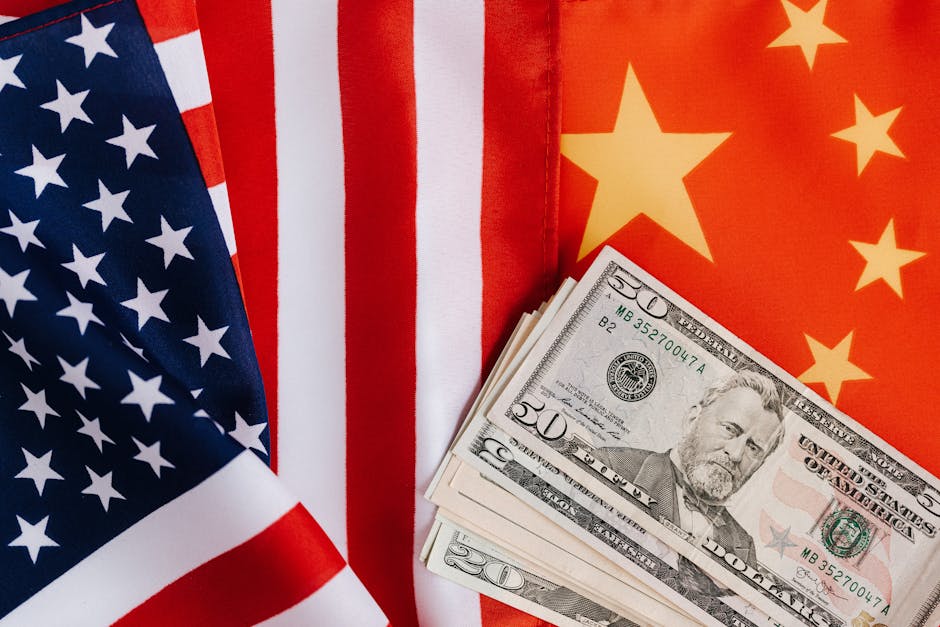
Political Risk and International Investments
In an increasingly interconnected global economy, international investments have become a cornerstone of portfolio diversification and wealth creation. However, these cross-border financial ventures carry unique challenges that domestic investments typically do not face. Among the most significant of these challenges is political risk—the possibility that political decisions, events, or conditions in a foreign country will adversely affect business operations and investment returns. Understanding and managing political risk has become essential for investors, multinational corporations, and financial institutions operating in the international arena.
Understanding Political Risk
Political risk encompasses a broad spectrum of potential threats arising from governmental actions, political instability, or socioeconomic upheaval in a host country. Unlike market risk or credit risk, political risk is often difficult to quantify and predict, making it a particularly challenging aspect of international investment management. These risks can manifest suddenly through regime changes, policy reversals, or civil unrest, potentially leading to significant financial losses.
The concept extends beyond obvious threats such as war or revolution. It includes more subtle forms of risk, including regulatory changes, tax policy modifications, currency controls, and gradual shifts in government attitudes toward foreign investment. Each of these factors can substantially impact the profitability and viability of international investments.
Types of Political Risk
Macro Political Risk
Macro political risk affects all foreign investors and businesses operating within a country, regardless of their industry or sector. This category includes events such as revolutions, coups, civil wars, or major policy shifts that fundamentally alter the investment climate. These systemic risks can lead to widespread economic disruption, currency crises, or the complete nationalization of foreign-owned assets.
Micro Political Risk
Micro political risk targets specific industries, companies, or projects rather than affecting all foreign investments equally. A government might, for example, nationalize assets in the energy sector while leaving other industries untouched, or impose special regulations on technology companies while maintaining favorable conditions for manufacturing operations. This selective approach to policy-making requires investors to conduct thorough sector-specific risk assessments.
Regulatory and Legal Risk
Changes in laws, regulations, and their enforcement represent a persistent source of political risk. These changes might include modifications to tax codes, environmental regulations, labor laws, or restrictions on profit repatriation. Even in stable political environments, regulatory risk can significantly impact investment returns through compliance costs and operational constraints.
Key Components of Political Risk Assessment
Government Stability and Effectiveness
The stability and competence of a country’s government serve as fundamental indicators of political risk. Investors must evaluate the likelihood of regime change, the strength of political institutions, and the government’s ability to implement and maintain consistent policies. Countries with strong institutional frameworks and peaceful transitions of power generally present lower political risks than those with autocratic systems or histories of political violence.
Economic Policy and Management
A government’s approach to economic management directly influences investment outcomes. Factors such as fiscal discipline, monetary policy stability, trade openness, and attitudes toward foreign investment all contribute to the overall risk profile. Countries with erratic economic policies or frequent policy reversals pose greater risks to international investors.
Social and Cultural Factors
Social cohesion, ethnic tensions, religious conflicts, and cultural attitudes toward foreign businesses can significantly impact political stability. Socioeconomic inequality, unemployment, and poverty can fuel political unrest, potentially leading to policy changes that adversely affect foreign investors. Understanding these underlying social dynamics is crucial for comprehensive risk assessment.
Geopolitical Considerations
A country’s relationships with its neighbors and major world powers can create additional layers of political risk. International sanctions, trade disputes, territorial conflicts, and alliance structures all influence the investment environment. Geopolitical tensions can escalate rapidly, creating unforeseen risks for international investors.
Strategies for Managing Political Risk
Diversification
Geographic diversification remains one of the most effective tools for managing political risk. By spreading investments across multiple countries and regions, investors can reduce their exposure to any single political jurisdiction. This approach helps cushion the impact of adverse political developments in individual markets.
Political Risk Insurance
Specialized insurance products offered by private insurers and multilateral institutions such as the Multilateral Investment Guarantee Agency (MIGA) can protect against specific political risks. These policies typically cover expropriation, currency inconvertibility, political violence, and breach of contract by host governments. While insurance cannot prevent political events, it can mitigate their financial impact.
Strategic Partnerships
Forming joint ventures with local partners or establishing relationships with influential stakeholders can provide valuable political intelligence and create vested local interests in project success. These partnerships can serve as buffers against adverse political actions and facilitate navigation of complex regulatory environments.
Active Monitoring and Due Diligence
Continuous monitoring of political developments, maintaining relationships with local experts, and conducting thorough due diligence are essential components of political risk management. Early warning systems can help investors anticipate potential problems and adjust their strategies accordingly.
Flexible Investment Structures
Designing investment structures with flexibility in mind can help mitigate political risk. This might include choosing appropriate jurisdictions for holding companies, negotiating clear exit strategies, or structuring deals to allow rapid adjustment to changing political circumstances.
Conclusion
Political risk represents an unavoidable reality of international investing that requires careful consideration and active management. While these risks can never be eliminated entirely, understanding their nature and implementing appropriate mitigation strategies can help investors navigate the complexities of global markets. As economic integration continues to deepen and emerging markets play increasingly important roles in the global economy, the ability to assess and manage political risk will remain a critical competency for successful international investment. By combining thorough analysis, strategic planning, and ongoing vigilance, investors can pursue opportunities in international markets while managing the political uncertainties inherent in cross-border investments.