
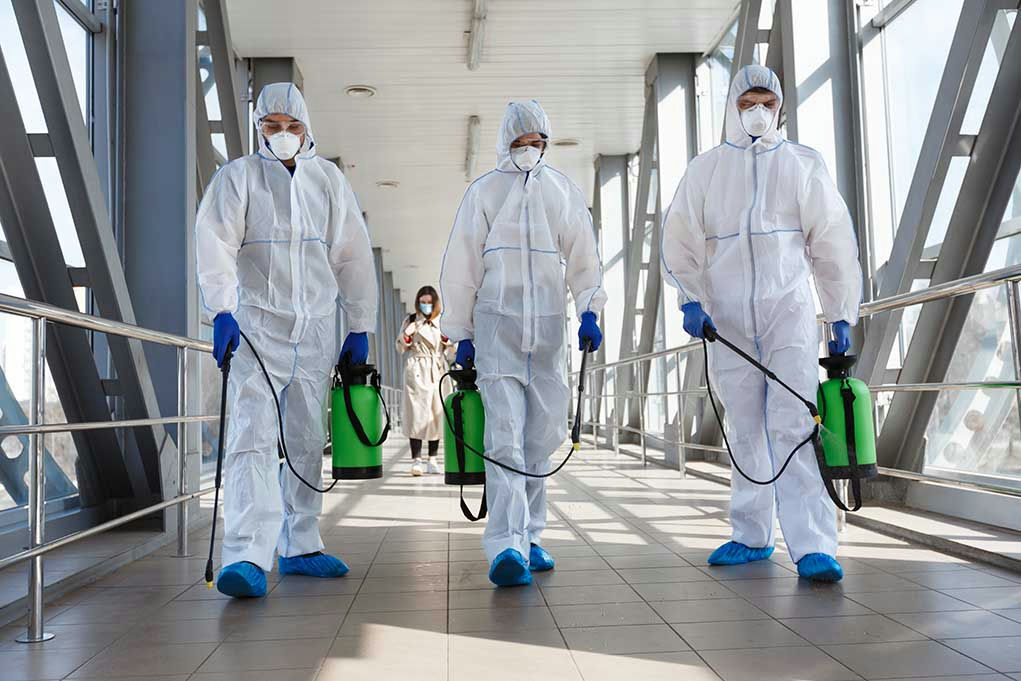
A so-called “super flu” has slammed New York City, and health officials are already dusting off the old playbook of emergency orders, mandates, and fear-driven messaging that many Americans hoped was gone with the last administration.
Record Flu Surge Collides With Tripledemic Pressures
New York City’s health department reports that, in the week ending December 20, more than 5,200 lab-confirmed flu cases pushed activity to the highest level in over ten years, with test positivity around 28%. Hospitals across the city have logged sharp jumps in emergency visits for flu-like illness, not just from influenza, but also from RSV and lingering COVID infections. This “tripledemic” pressure is pushing emergency rooms and dedicated flu wards toward capacity thresholds.
Health officials say roughly 80% of subtyped cases are an H3N2 strain that is only partially matched by this season’s vaccine, with effectiveness estimated 20 to 30% lower than ideal. That mismatch leaves seniors, young children, and people with chronic conditions particularly vulnerable despite vaccination. Pediatric hospitalizations are reportedly up between 150 and 200% year-over-year, with most severe cases in children under five and older adults, the same groups hit hardest during past harsh flu seasons.
MAP: SUPER FLU EXPLODES ACROSS USA | I recorded this video off of the CDC's Flu View website. As you can see, the continental US was all green on October 11, but by December 13 at least 20 states coast to coast were at High to Very High influenza levels-with New York City at max. pic.twitter.com/qph2P3Pf7F
— Book of Katherine (@bookofkatherine) December 20, 2025
How New York’s Policies Shaped the Crisis
Flu waves are not new to New York, but this spike comes after years of heavy-handed pandemic-era policies that eroded public trust and helped create what some epidemiologists call an “immunity gap.” During COVID, extended school disruptions, business closures, and social restrictions kept many routine viruses at bay, leaving immune systems less “trained” against seasonal respiratory threats. Now, with everyday life mostly restored, those immunity gaps are colliding with a dense city, packed subways, and winter holiday travel to fuel spread.
City vaccination campaigns have also struggled. Flu shot uptake in New York sits around 30%, well below federal targets of 50%, partly due to “pandemic fatigue” and skepticism after years of shifting COVID guidance. Health officials launched an October vaccine drive, but lower participation left many residents unprotected going into the holidays. More than 10 million travelers passed through city airports between December 20 and 25, carrying flu strains across boroughs and out into the country, making New York an early bellwether for a broader national wave.
New York State is reporting the highest number of flu cases ever recorded in a single week.
Prevention and timely treatment remain important, and clear public health information helps people make informed decisions as the season continues. How we respond now will shape the weeks… pic.twitter.com/TYDGxv3Bc5
— World Health Network (@TheWHN) December 29, 2025
Emergency Declarations, Mandates, and Conservative Concerns
As cases climbed, New York City’s health commissioner issued a late-December alert urging residents to get vaccinated, test early, and consider masking indoors, especially in crowded settings. Within days, the mayor declared a formal health emergency, unlocking at least ten million dollars for expanded vaccine outreach, school screenings, and additional test kit distribution. Public schools reintroduced mask requirements as activity peaked, reviving debates many parents and taxpayers hoped were settled after COVID-era learning losses.
Conservatives watching from outside New York see a familiar pattern: a genuine health challenge used to justify sweeping decisions by unelected health bureaucrats and big-city politicians. Mask requirements for children, emergency powers that can be extended, and aggressive pressure on private behavior raise red flags for those who believe health policy should inform, not coerce. After years of federal and local overreach, many Americans want transparent data, clear risk communication, and voluntary choices—without another round of mandates that trample personal responsibility and parental authority.
Who Is Most Affected and What Comes Next
Hospital data indicate that elderly New Yorkers account for roughly 70% of flu-related hospitalizations, with children under five representing another significant share of severe cases. Low-income neighborhoods in the Bronx and Brooklyn are experiencing about twice the rate of confirmed infections and hospital visits compared with wealthier areas, mirroring long-standing disparities from earlier health crises. Emergency room wait times have reportedly stretched past six hours in some facilities, as staffing and bed space struggle to keep pace with demand.
NYC Council members are calling for Governor Kathy Hochul to shut down NYC wet markets in a video showing birds likely infected with bird flu, open wounds, dripping blood, dying in cages next to other animals with blood running into the streets.
“Bird Flu is going to spread.” pic.twitter.com/Pug43c6dFK
— Jammer (@acrossthemersey) March 8, 2025
Economists estimate the current flu wave could cost New York City hundreds of millions of dollars in healthcare expenses and lost productivity, with more than 100,000 workdays potentially wiped out. At the same time, pharmaceutical companies benefit from surging demand for antivirals and vaccines, while telehealth services see renewed growth. For conservatives nationwide, New York’s “super flu” serves as a warning: prepare for seasonal health threats, but remain vigilant against politicians and agencies that might again turn a medical problem into an excuse for expanded, long-lasting government control.
Sources:
NYC DOHMH FluWatch Week 16 (Dec 21, 2025)
CDC FluView Week 16 (Dec 27, 2025)
CBS New York: ‘Super flu’ sends NYC flu cases to highest level in a decade (Dec 26, 2025)
NYC Health and Mayor’s Office Press Releases on Flu Emergency (Dec 2025)