
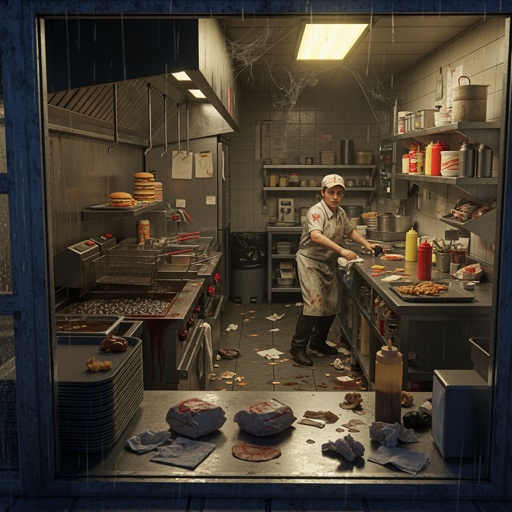
A viral “McHell naw” video exposing how McDonald’s makes its McRib has many Americans asking why corporate food giants keep churning out ultra‑processed mystery meat while families struggle for real transparency and value.
Worker Video Lifts the Curtain on a Cult-Favorite Sandwich
The latest viral McRib clip shows what corporate advertising never does: a pale, frozen, rib‑shaped pork slab sliding from a case or tray before being grilled, dunked in sauce, and dressed up on a bun with pickles and onions. The worker’s simple kitchen footage, shared across TikTok, Instagram, YouTube, and X, triggered a wave of “McHell naw” reactions from viewers who saw the industrial reality behind the saucy glamour shot they were sold.
For many Americans, especially those who grew up with the McRib as an occasional treat, the contrast between memory and reality is jarring. Fans remember a smoky sandwich that appeared once in a while like a fast‑food comet. Now they are confronting the fact that this “cult classic” is a molded, boneless block engineered in a factory, not a rack of ribs pulled off a backyard smoker. That gap between promise and product is driving the backlash.
McDonald’s fans both hungry and horrified after worker exposes how the McRib sandwich is made: ‘McHell naw’ https://t.co/aiLHbSYqWn pic.twitter.com/6rOQjonf6b
— New York Post (@nypost) December 11, 2025
How the McRib Is Really Made and Marketed
Food reporting over the years has laid out what the viral video only hints at. The McRib patty is built from ground boneless pork, largely shoulder, mixed with water, seasoning, sugar, preservatives, and flavoring like liquid smoke before being stamped into its fake‑rib shape and frozen for shipment. On store grills, workers simply heat, sauce, and assemble. None of this is inherently illegal, but it underscores how far removed the sandwich is from anything resembling home cooking.
McDonald’s knows this optics problem exists, yet the company deliberately leans on nostalgia, limited‑time scarcity, and kitschy “farewell tour” campaigns. The chain periodically declares the McRib gone for good, only to resurrect it in select cities, whipping up free publicity and fan “hunt” culture. Each comeback floods social media with both cheers and disgust, and every time, worker footage resurfaces to remind people what they are actually eating. Despite the ongoing scrutiny, corporate messaging remains focused on fun and fandom, not frank ingredient talk.
The McRib exposed 💀💀💀 pic.twitter.com/JHILYYr1R6
— Brain Rot Reels (@BrainRotReelsTv) November 30, 2025
Why the Viral Backlash Resonates With Conservative Concerns
For conservative, family‑oriented consumers watching food costs rise after years of inflation and government mismanagement, the McRib story hits a nerve. It symbolizes a broader pattern where massive corporations, often aligned with globalist ESG and woke branding, prioritize engineered hype over straightforward honesty about what goes on your plate. When a sandwich has to be sculpted to imitate real ribs, many ask what else in the modern food system is being dressed up to look better than it truly is.
That frustration is amplified by the sense that regulators and legacy media have spent more time lecturing Americans about what they should eat than demanding real transparency from Big Food. Fast‑food giants are free to bombard children with glossy ads while the unfiltered look behind the scenes comes almost entirely from low‑paid workers risking their jobs with viral videos. In an era when parents are already skeptical of school lunches, lab‑grown experiments, and chemical additives, a stamped pork block swimming in sauce is one more reason to question who is really being served.
Health, Transparency, and the Two Americas of Fast Food
The McRib’s return cycle exposes a split in the country. On one side are die‑hard fans who shrug at the processing, arguing that an occasional McRib is just part of American fast‑food culture. On the other side are health‑conscious buyers who see high sodium, saturated fat, and additives layered on top of economic stress and worsening national health statistics. For them, the viral footage is not entertainment; it is evidence of a system pushing cheap, engineered calories over real nourishment.
There is also a fairness issue. Working families already feel squeezed by higher grocery bills, insurance costs, and taxes, even as corporate chains roll out gimmick sandwiches to juice quarterly numbers. When a “limited‑time” item becomes a recurring marketing tool, yet still arrives as a frozen, factory‑formed slab, it reinforces the impression that big companies treat customers as data points, not neighbors. The McRib conversation, in that sense, is less about one sandwich and more about respect.
Where This Leaves Consumers in a Post-Globalist Food Debate
Under today’s more populist climate, with Washington finally shifting away from top‑down globalist priorities and putting American workers first, voters are rethinking what they expect from corporations as well. Transparency, real ingredients, and accountability matter more than performative causes or slick ads. The McRib video went viral because people instinctively know something is off when a beloved menu item looks unrecognizable until a sauce bath hides the seams.
Conservatives do not need new regulations to fix every menu; they need honest information and a free market that rewards companies willing to level with their customers. That means supporting local restaurants and brands that put quality ahead of gimmicks, teaching kids to see past marketing tricks, and using their dollars to back businesses that respect families over fads. The McRib will likely keep coming back, but informed Americans do not have to keep biting.
Sources:
McDonald’s Is Bringing Back the McRib—Again
McDonald’s McRib Is Returning to Select Cities in 2025
SERIOULY… SHAME, SHAME AND SHAME!!! Are the burgers fake? Hummmm, what about the fries again? Did someone say that didn’t taste real? I thought so!!!