
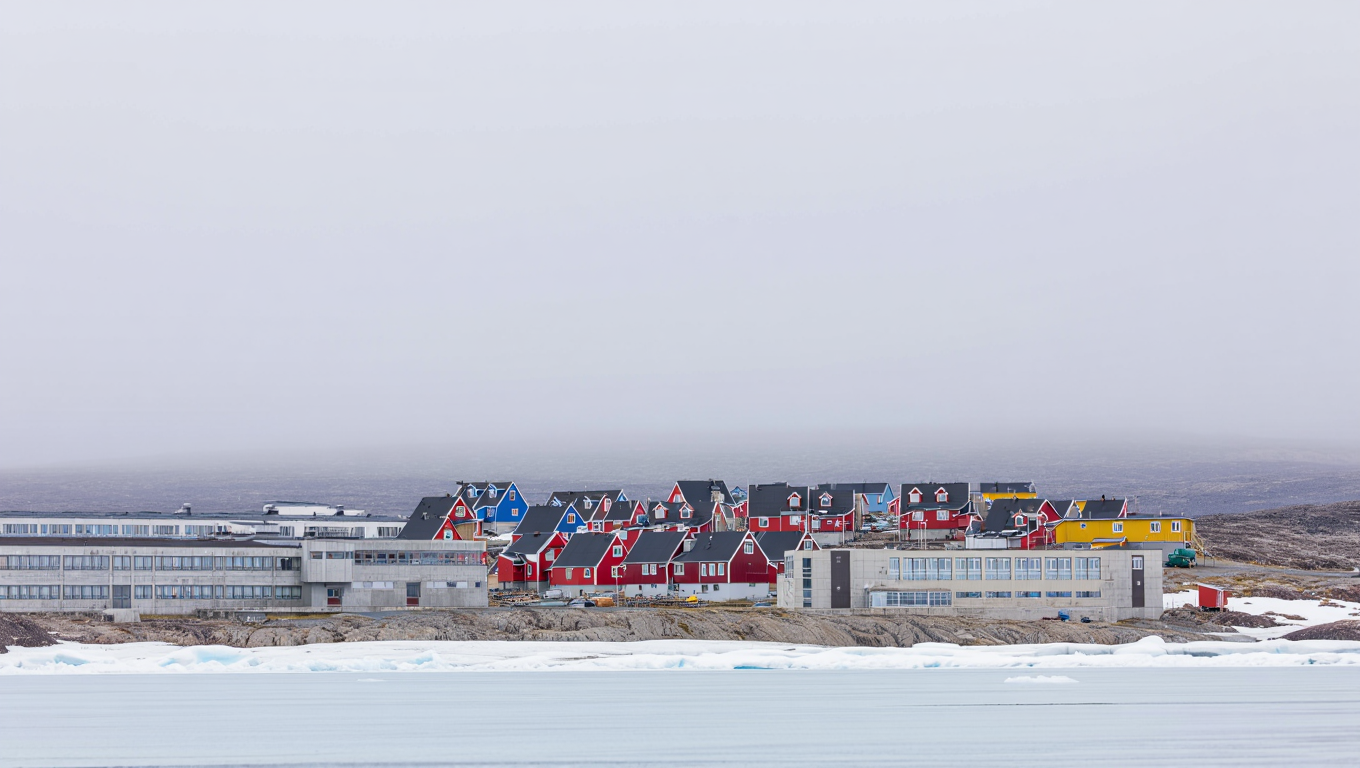
As geopolitical tensions escalate over Greenland’s strategic importance, decades of Danish policies that devastated Indigenous communities are casting new shadows over the ongoing sovereignty debate. The island’s native population is speaking out about systematic abuses that have left lasting scars on their society, complicating discussions about the territory’s political future.
Amarok Petersen’s story illustrates the profound impact of Danish colonial policies on individual Greenlanders. At age 27, she discovered that Danish medical authorities had secretly implanted an intrauterine device when she was 13 years old, part of a broader population control initiative targeting Indigenous women and girls. The revelation came only after years of unexplained medical problems and fertility issues.
“I will never have children,” Petersen stated during a recent interview in Nuuk, Greenland’s capital. “That choice was taken from me.”
Systematic Population Control Programs
Petersen’s experience reflects a widespread pattern of medical interventions conducted without informed consent. Danish authorities implemented forced sterilization programs affecting thousands of Greenlandic women over several decades. These policies were designed to control the Indigenous population size, reflecting broader colonial attitudes toward native communities.
The scope of these programs extended beyond reproductive health. Medical procedures were routinely performed on Greenlandic women without their knowledge or consent. In Petersen’s case, doctors removed her fallopian tubes during surgery in the early 2000s without informing her of the procedure.
Denmark issued an official apology in 2025 for these practices, acknowledging the harm caused to Indigenous women and their families. However, the government’s response has drawn criticism from affected communities who view the reparations as inadequate.
The “Little Danes” Experiment
The forced sterilization programs were part of broader assimilation efforts that targeted Greenlandic families and cultural identity. The “Little Danes experiment,” conducted from the 1950s through the 1970s, involved forcibly removing Greenlandic children from their families and sending them to Denmark for adoption or institutional care.
This program aimed to integrate Greenlandic children into Danish society, often permanently severing their connections to their native culture and families. Petersen’s family was directly affected by these policies, with relatives subjected to forced separation and medical experimentation.
The long-term consequences of these programs continue to affect Greenlandic society today. Many families were fractured across generations, with cultural knowledge and traditions disrupted by forced assimilation policies.
Contemporary Political Implications
These historical grievances have gained renewed relevance as international attention focuses on Greenland’s strategic value. President Trump’s recent expressions of interest in purchasing the island have prompted Danish officials to emphasize that “Greenland is not for sale,” but many Greenlanders question Denmark’s authority to make such declarations on their behalf.
The current political arrangement grants Denmark significant control over Greenlandic affairs, despite the territory’s home rule status. This dynamic was evident during recent diplomatic discussions in Washington, where Danish Foreign Minister Lars Rasmussen dominated press conferences while his Greenlandic counterpart remained largely silent.
Military exercises conducted by European forces on Greenlandic territory this week highlighted the ongoing tensions. Danish officials framed these activities as protective measures against foreign interference, particularly from the United States. However, many Indigenous Greenlanders view Denmark itself as the primary threat to their autonomy and well-being.
Economic Exploitation and Compensation Debates
The Danish government announced compensation packages for forced sterilization victims in December 2025, offering approximately $46,000 per affected individual. Critics argue that these payments represent a fraction of the actual harm caused and fail to address the broader patterns of exploitation that continue to affect Greenlandic communities.
Economic relationships between Denmark and Greenland remain contentious, with many Indigenous residents arguing that their territory’s natural resources benefit Denmark more than local communities. This perception of ongoing exploitation influences contemporary discussions about political independence and self-determination.
The compensation debate reflects broader questions about how colonial powers should address historical injustices. While financial reparations represent one form of acknowledgment, affected communities often seek more comprehensive reforms that address systemic inequalities and promote genuine self-governance.
Calls for Independence
Rather than supporting either Danish control or American acquisition, many Greenlanders advocate for complete independence. This perspective reflects decades of frustration with external control over their territory and resources.
“People say ‘Greenland is for Greenlanders,'” Petersen observed. “But that’s not reality. Denmark speaks for us. Denmark decides. They don’t let us speak.”
The independence movement faces significant practical challenges, including economic viability and international recognition. Greenland’s population of approximately 56,000 people would need to develop sustainable economic foundations independent of Danish subsidies and American strategic interests.
However, supporters argue that genuine self-determination requires accepting these challenges rather than remaining subject to external control. They point to the historical pattern of exploitation and abuse as evidence that foreign governance has failed to serve Greenlandic interests.
International Context and Future Prospects
Greenland’s strategic location and natural resources make it valuable to multiple international actors. Climate change has increased access to Arctic shipping routes and mineral deposits, intensifying global interest in the territory. These developments create both opportunities and risks for Greenlandic communities.
The current international attention could provide leverage for greater self-determination, but it also risks perpetuating patterns of external control. The challenge for Greenlandic leaders involves navigating these competing interests while advancing their own community priorities.
The historical context of Danish colonial policies provides important perspective on contemporary sovereignty discussions. The legacy of forced sterilization, family separation, and cultural suppression demonstrates the potential consequences of external governance arrangements that prioritize strategic interests over Indigenous rights.
As diplomatic tensions continue to escalate, the voices of Greenlandic people themselves remain central to determining the territory’s future. Their experiences under Danish rule provide crucial insights into the relationship between political control and human rights in Arctic territories.
The ongoing debate over Greenland’s status reflects broader questions about Indigenous self-determination, colonial legacies, and the balance between strategic interests and human rights in international relations. The resolution of these issues will have lasting implications for Arctic governance and Indigenous communities worldwide.
As a “protectorate” of the U.S. Greenlund should work out a deal that would provide for “fair” sharing of the income from oil, minerals, and other resources that the U.S. would develop. It could indeed be a windfall for both sides.