
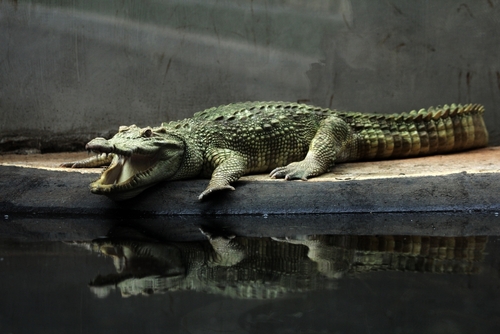
As Hurricane Melissa drenches Jamaica, a surprising threat emerges from the floodwaters — crocodiles seeking refuge in urban areas.
Hurricane Melissa’s Impact
Hurricane Melissa has unleashed torrential rains over Jamaica, leaving a trail of destruction in its wake. The island’s government has alerted residents in Kingston, St. Andrew, St. Catherine, and St. Thomas to a unique danger: the potential invasion of crocodiles.
These reptiles, normally confined to rivers, swamps, and gullies, might venture into urban areas as floodwaters rise, seeking dry land. This unusual threat adds to the hurricane’s already extensive damage, including power outages and property damage.
Residents across Kingston, St Andrew, St Catherine and St Thomas are being urged to exercise extreme caution as heavy rains and flooding associated with Hurricane Melissa may drive crocodiles out of their natural habitats into communities.
Read more: https://t.co/FAPuPXGm6N pic.twitter.com/7FMUUijjGx
— Jamaica Gleaner (@JamaicaGleaner) October 28, 2025
The South East Regional Health Authority (SERHA) emphasizes vigilance, urging residents to avoid floodwaters, as they may harbor these reptiles. As waters inundate the landscape, crocodiles may become disoriented, prompting them to explore unfamiliar territories in search of safety. The public is reminded to remain cautious, especially near bodies of water that could serve as crocodile conduits into communities.
Guidelines for Safety
Authorities have issued clear guidelines to ensure public safety amidst the crocodile threat. Residents should refrain from wading or playing in floodwaters, and children and pets must be kept at a safe distance. In areas with reported crocodile sightings, the risk is higher, and extra precautions are necessary. SERHA strongly advises against any interaction with these animals, including attempts to capture or harm them, as such actions could escalate the danger.
Residents spotting crocodiles should promptly report the sightings to the National Environment and Planning Agency (NEPA). This measure helps authorities track and manage crocodile movements, reducing the risk of human-wildlife conflict. Cooperation between the public and authorities is crucial in mitigating this unexpected hazard.
🚨 “THE ISLAND IS GONE.” – HURRICANE MELISSA ERASES JAMAICA FROM THE MAP
The Prime Minister has declared the entire island a disaster area.
80% of Jamaica is without power. Bridges have collapsed, roads are gone, and entire neighborhoods have vanished under water.At least 7… pic.twitter.com/fpFVLH4lvd
— HustleBitch (@HustleBitch_) October 29, 2025
Preventive Measures
The risk of crocodile encounters can be minimized with preventive measures. Keeping yards and drains clear of debris is vital to prevent stagnant water buildups, which attract crocodiles. By maintaining cleanliness and ensuring water flows smoothly, residents can reduce the likelihood of crocodiles venturing into populated areas. This proactive approach aligns with broader flood management strategies, helping communities withstand the dual threats of flooding and wildlife intrusion.
As Jamaica grapples with the aftermath of Hurricane Melissa, the government continues to closely monitor the situation. The focus remains on safeguarding communities from both environmental and wildlife dangers. With vigilance and adherence to safety guidelines, residents can navigate this challenging period and emerge resilient and prepared for future natural events.
#Hurricane_Melissa: Jamaicans were warned about the potential for displaced crocodiles
Jamaica's South East Regional Health Authority has issued a warning that rain and flooding could "result in crocodiles being displaced from their natural habitats".https://t.co/yBJ0sUwfue
The… pic.twitter.com/nSi9tuVIDX— ⚡️🌎 World News 🌐⚡️ (@ferozwala) October 28, 2025