
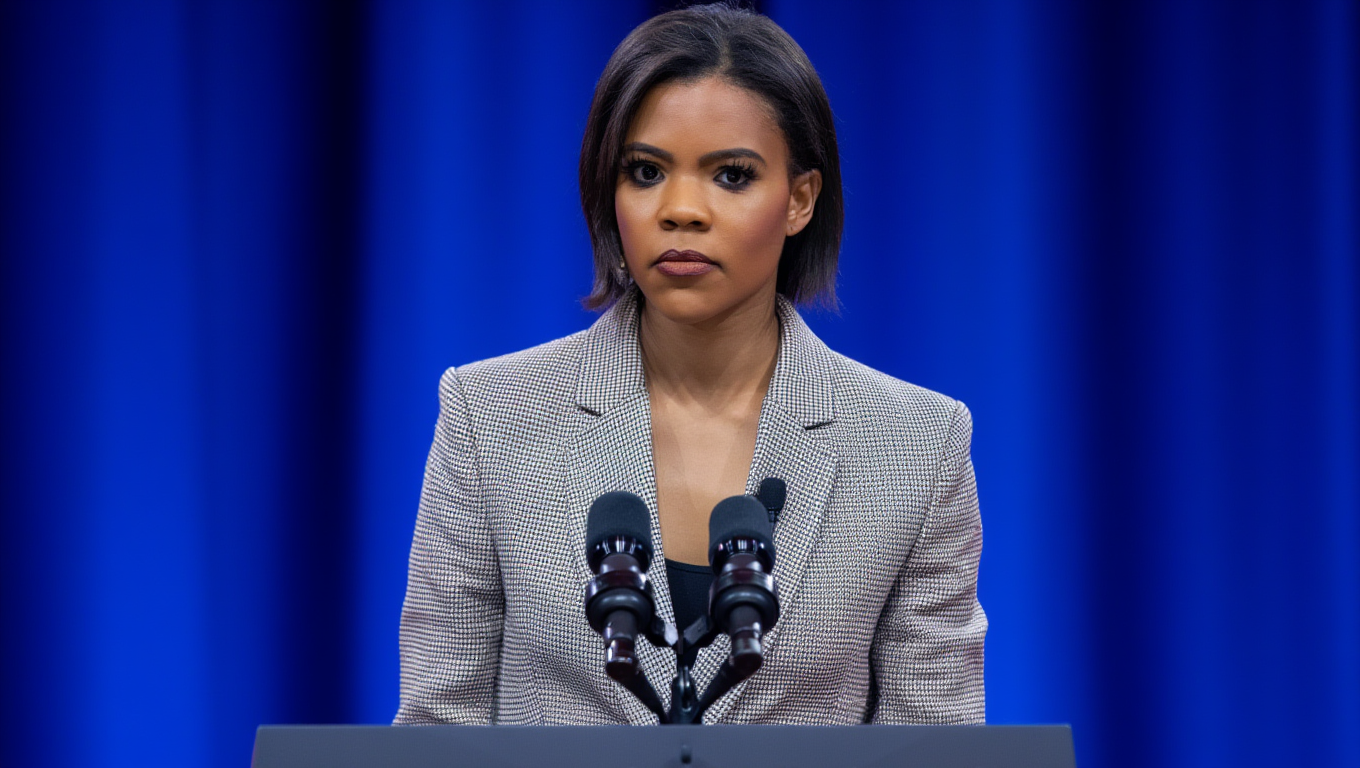
Conservative commentator Candace Owens launched a fierce attack on Erika Kirk’s Turning Point USA halftime performance, accusing the production of deliberately misleading millions of viewers across America.
Owens Delivers Sharp Criticism
The prominent conservative voice took direct aim at what she characterized as deceptive practices during the politically-themed halftime show. Owens expressed outrage over what she viewed as a betrayal of conservative values and principles. Her criticism focused specifically on Kirk’s presentation and the overall messaging delivered to the national audience. The controversy erupted immediately following the broadcast, with Owens taking to social media and other platforms to voice her displeasure with the event’s execution.
Candace Owens is savage! Watch her rip apart TPUSA’s Half Time show viewership numbers. 🤣 pic.twitter.com/vGjuQpovXe
— Subi-doo 🐸 (@suzamaroo) February 10, 2026
The dispute highlights growing tensions within conservative political circles regarding public messaging and representation. Owens questioned the authenticity of the performance and raised concerns about the impact on viewers who trusted the organization’s brand. Her accusations suggest deeper issues with how conservative organizations present themselves to mainstream audiences during high-profile events.
Turning Point USA Under Fire
The organization, known for its campus activism and conservative youth outreach, found itself defending against serious allegations of misleading supporters. Kirk’s halftime appearance was intended to showcase conservative principles to a broad television audience. However, Owens’ reaction suggests the execution fell far short of expectations. The criticism raises questions about quality control and message consistency within prominent conservative organizations. Several other commentators have since weighed in on the controversy.
Broader Conservative Movement Implications
This public disagreement between high-profile conservative figures reflects ongoing debates about strategy and messaging within the movement. The controversy demonstrates how quickly internal disputes can emerge when expectations are not met during major public events. Conservative audiences increasingly demand authenticity and consistency from their representatives, making any perceived misstep potentially costly. The incident serves as a reminder of the challenges facing conservative organizations in maintaining unity while reaching broader audiences through mainstream media platforms.
Wonderful Team Work…very impressive…both Conservatives and Owens slashes out at Kirk…when there is serious socialism happening in this country. I am no longer a fan of Owens and shall advise my inner circle and family et-al she needs to stop trying to divide the Conservative thinking “folk” and concentrate on harmonizing us for the 2026 elections.
Dear Ms. Owens. You and Charlie appeared on the scene together and I loved you both. I especially loved you. I don’t know what turned you, but shame on you for always complaining about the only organization alternative that is trying keep America English speaking and ‘clean’.