
A Teenage Boy Set Sail from Texas on His Boss’s Yacht. The Pair Vanished and Haven’t Been Seen Since
Nearly Two Decades Later: The Haunting Mystery of a Texas Teen Who Vanished at Sea
The cold waters of the Gulf of Mexico hold many secrets, but few cases have haunted investigators and families quite like the disappearance of Christian Hall, a 15-year-old Texas boy who vanished without a trace in November 2005. What began as an unauthorized sailing adventure has evolved into one of the most perplexing missing persons cases in recent memory, raising troubling questions about supervision, parental authority, and the responsibilities adults bear toward the children in their care.
Christian Hall was just another ambitious teenager looking to earn some spending money when he took a job as a deckhand aboard the Gypsy II, an impressive 74-foot sailboat operating off the Texas coast near Corpus Christi. The vessel’s owner, David “Dusty” Andrews, then 39, had employed the hardworking teen to help maintain his prized yacht. What seemed like an opportunity for a young man to learn maritime skills and earn honest wages would soon transform into a nightmare that continues to torment his family nearly twenty years later.
Verified accounts reporting on missing yacht and teenager from Texas on Twitter →
An Unauthorized Journey with Devastating Consequences
The sequence of events that led to Christian’s disappearance reveals a troubling breach of trust that should serve as a warning to parents everywhere. When Andrews proposed taking Christian on a sailing expedition to Florida in November 2005, the teenager initially sought his family’s permission. However, what happened next remains unclear – authorities later confirmed that Andrews departed with the minor without proper parental consent.
On November 24, 2005, the Gypsy II pulled away from its mooring at the John F. Kennedy Memorial Causeway, the vital link between Laguna Madre and North Padre Island in Corpus Christi. Aboard were Andrews and young Christian, embarking on what should have been a routine coastal voyage to Florida. Neither the man nor the boy would ever be seen again.
The fact that Andrews took a minor child on an extended sea voyage without explicit parental permission raises serious questions about judgment and legal responsibility. In an era where we’ve become increasingly aware of the vulnerabilities children face, this case stands as a stark reminder of how quickly trust can be violated and lives forever altered.
A Family’s Agonizing Wait for Answers
For Christian’s family, the weeks following his departure were filled with growing anxiety and confusion. It wasn’t until January 4, 2006 – more than a month after the pair had sailed away – that his relatives formally reported him missing to authorities. This delay suggests the family may have initially believed Christian was on an extended but legitimate trip, making the eventual realization of his disappearance all the more devastating.
Christian’s aunt, Carla Boehm, has become the family’s primary advocate in keeping his case alive in the public consciousness. Her unwavering hope that her nephew might still be alive somewhere speaks to the unique torment faced by families of the missing – caught between grief and hope, unable to fully mourn or completely heal.
Major news organizations covering yacht disappearance story on Twitter →
“If he thinks nobody cares, maybe he’s not even trying to come home,” Boehm shared with the National Center for Missing & Exploited Children, revealing the complex emotions that fuel her continued search. Her words reflect a painful reality: that somewhere out there, Christian might be a grown man who believes his family has forgotten him or given up hope.
The Last Known Contact: A Mysterious Distress Call
The few concrete facts investigators have been able to establish paint a troubling picture of the Gypsy II’s final known moments. According to the National Center for Missing & Exploited Children, the sailboat was somewhere in the Gulf of Mexico off the Louisiana coast when it transmitted a mayday signal – the international distress call that indicates a vessel is in grave danger.
What makes this detail particularly puzzling is what happened next. Despite signaling for emergency assistance, both Andrews and Christian reportedly declined help when it was offered. The boat was taking on water, yet they refused rescue – a decision that defies explanation and has left investigators grasping for answers.
This refusal of aid raises several disturbing possibilities. Were they truly in a position to decline help, or had circumstances already spiraled beyond their control? Was there some reason Andrews felt he couldn’t accept official assistance? These questions have haunted the case for nearly two decades, with no clear answers emerging from the depths of the Gulf.
A New Chapter in an Old Mystery
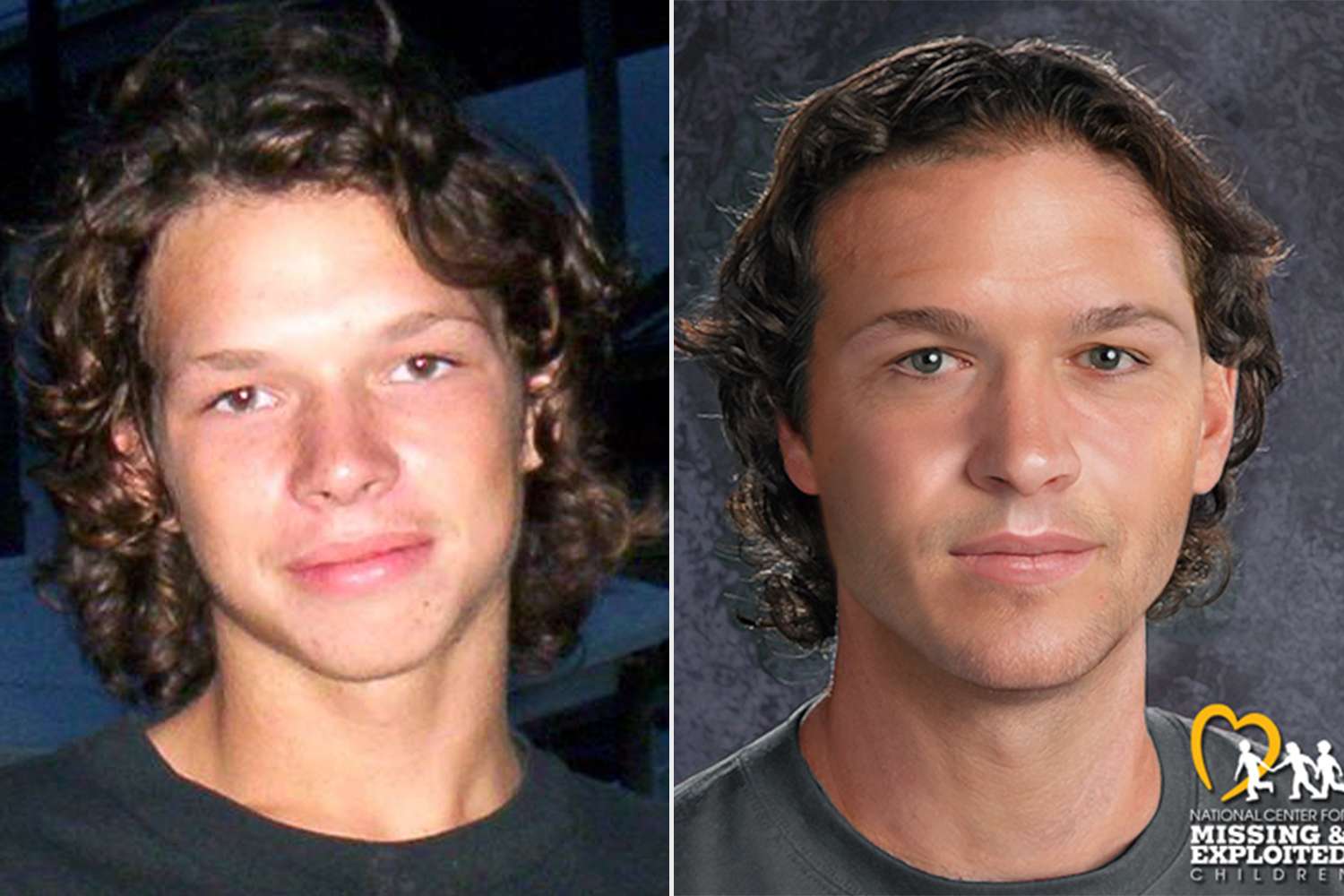
Today, the National Center for Missing & Exploited Children has released an age-progressed photograph showing what Christian might look like as a 35-year-old man. The image, created by forensic artists using advanced techniques, represents both hope and heartbreak – hope that someone might recognize the face, and heartbreak that so many years have passed without resolution.
Hashtag search for missing persons case involving yacht on Twitter →
These age-progression images serve a crucial purpose in long-term missing persons cases. They acknowledge the passage of time while refusing to surrender to despair. For Christian’s family, seeing their beloved boy transformed into a middle-aged man must be both encouraging and devastating – a visual reminder of all the birthdays, holidays, and milestones they’ve missed.
The Broader Implications of Unsupervised Youth Employment
Christian’s case highlights important questions about the employment of minors in potentially dangerous occupations. Working on boats, particularly large vessels in open water, involves inherent risks that require mature judgment and extensive safety knowledge. While many teenagers successfully work in maritime environments under proper supervision, this tragedy underscores the importance of clear boundaries and parental oversight.
The fact that Andrews was able to take Christian on an extended voyage without proper parental consent suggests gaps in both legal protections and practical safeguards. Parents today should take note: employment arrangements involving their children must include clear communication about expectations, limitations, and emergency contacts.
An Enduring Hope Against All Odds
As Christian’s case enters its third decade, his aunt Carla Boehm continues to believe in the possibility of reunion. “I hope he’s out there, and that he sees this new picture and realizes people are looking for him, and that he’s wanted,” she told investigators, her words carrying the weight of nearly twenty years of uncertainty.
This enduring hope reflects something profound about human nature and family bonds. Despite the statistical improbability of finding Christian alive after so many years, his family refuses to abandon the possibility that somewhere, somehow, he survived whatever befell the Gypsy II and has been living under different circumstances.
Whether Christian Hall is alive or has perished, his story serves as a sobering reminder of how quickly lives can change and how important it is to maintain vigilant oversight of our children’s activities. In an age of increasing independence for young people, his disappearance stands as a cautionary tale about the delicate balance between trust and protection that every parent must navigate.
The Gulf of Mexico may keep its secrets, but Christian’s family continues their vigil, hoping that time and persistence might finally bring their loved one home.