
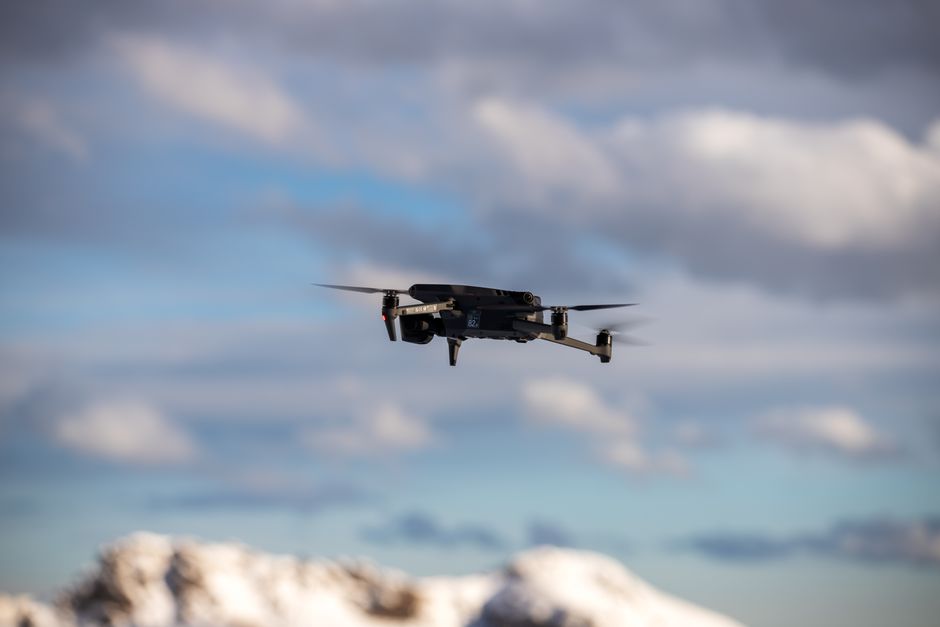
Schools in Colorado, Florida, and Georgia will begin the new academic year with autonomous drones equipped to intercept active shooters within 15 seconds, using pepper spray, strobe lights, and ramming capabilities as alternative security measures that cost less than hiring additional security officers.
How the Drone System Works
The drones from Mithril Defense travel through school hallways at speeds reaching 50 miles per hour, guided by remote pilots in Austin, Texas. The system deploys from secure boxes inside school buildings and aims to locate threats within 15 seconds. The drones employ sirens, strobe lights, and pepper gel to overwhelm assailants, with the capability to ram shooters at 60 miles per hour as a final option.
CEO Justin Marston said the rapid deployment addresses a critical time factor, noting most school shootings conclude within two to three minutes. The technology allows drones to enter rooms ahead of police officers, potentially saving lives since officers are shot in approximately half of mass shooting incidents. Schools in Georgia and Florida receive state funding for the systems, while Colorado’s John Adams Academy charter school uses alternative financing.
Security Spending and Effectiveness Debate
American schools currently spend approximately $4 billion annually on physical security measures including metal detectors and surveillance cameras, according to the Learning Policy Institute. The drone systems cost roughly $20,000 yearly for an 80,000-square-foot school, representing a lower expense than employing a full-time security officer. Mithril Defense projects widespread adoption, with Marston stating he believes every school will require active-shooter suppression systems within five years.
School shooting incidents reached 352 in 2023, a significant increase from the 1970s and 1980s when fewer than 30 incidents occurred annually, according to the K-12 School Shooting Database. The frequency has decreased slightly over the past two years but remains historically elevated compared to previous decades.
Questions About Student Safety Approaches
Education researchers have raised concerns that technological security measures may increase student anxiety rather than improving safety outcomes. Jennifer DePaoli, senior researcher at the Learning Policy Institute, emphasized that research indicates psychological safety through mental health support, positive teacher-student relationships, and supportive school environments proves more effective than physical security technology alone. Marston acknowledged the importance of addressing underlying violence factors but compared the situation to fire safety, arguing that prevention education and emergency response systems serve complementary rather than competing purposes in protecting students.
I believe that you should nevedr rely on machines to protect your children. There is No price when it comes to your children. I am trying to warn people about robotics, AI and drones. They are all machines and I would trust a human who has been screened to make sure that they are the right person to protect your children and then that would keep the human aspect in this situation. Machines will never have soul or spirit. Amen
Put razor blades on the props. Then ram him and take off his head. That might be a good deterrent for them.
I believe that you are one hundred percent correct on that!
New technology can both be use to eliminate a threat. School guards haven’t laminated all incidents quickly.