
American forces deliberately destroyed two transport planes and four helicopters worth over $200 million during a high-stakes rescue mission deep inside Iranian territory, preventing advanced military technology from falling into enemy hands after successfully extracting a downed F-15 pilot.
Daring Seven-Hour Firefight Rescues Downed Pilot
A U.S. Air Force colonel parachuted from his F-15E fighter jet Friday after a mechanical failure over the Zagros Mountains in southern Iran. The pilot survived the ejection and trekked through forested mountain terrain for 36 hours, evading Iranian forces before activating his emergency locator beacon. American special operations forces launched a rescue operation Sunday morning that resulted in a seven-hour firefight, killing at least nine Iranian soldiers before extracting the injured airman to a base in Kuwait.
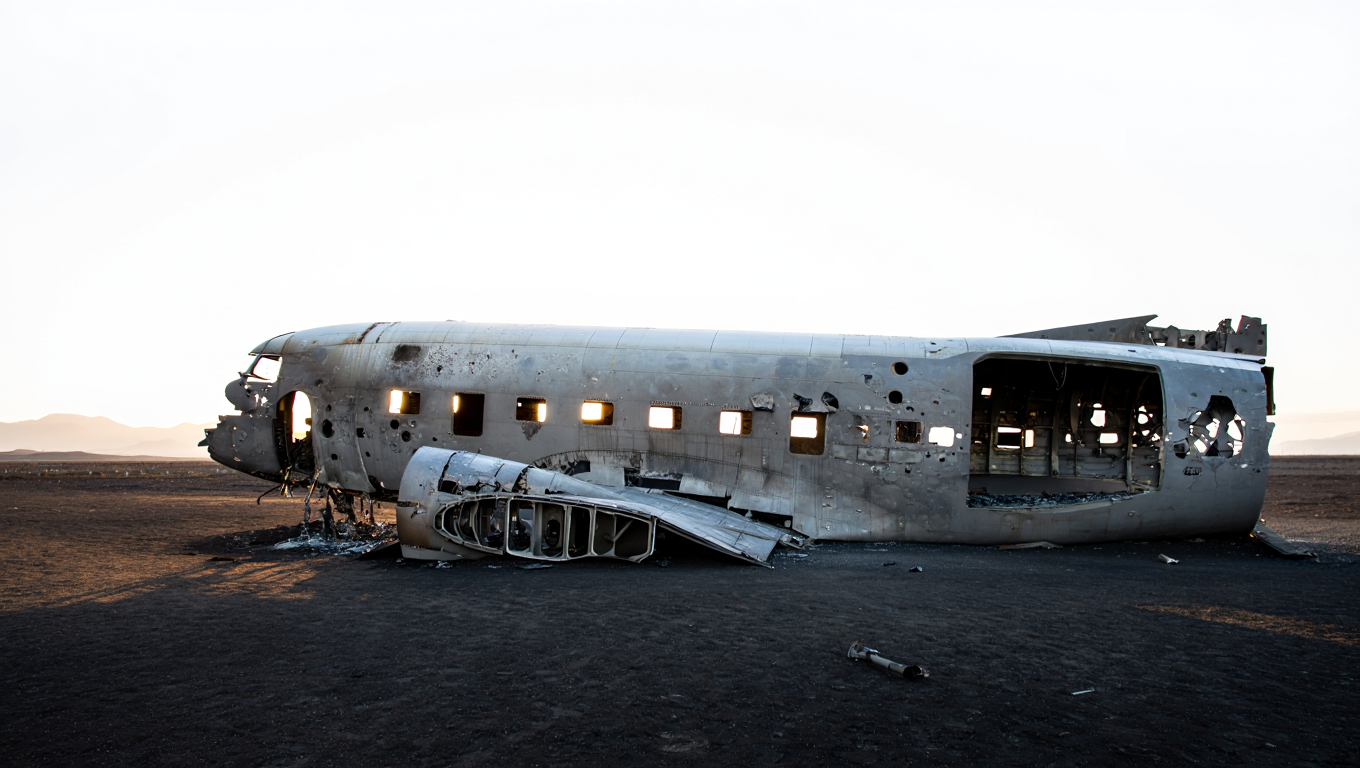
The rescue team destroyed two MC-130J specialized transport aircraft valued at $100 million each, plus four MH-6 Little Bird helicopters, to prevent Iranian forces from capturing sensitive American military equipment and technology. Iranian state media released video footage showing the charred wreckage at an abandoned airport near Isfahan, attempting to portray the successful rescue as an American military failure.
Iran Claims Victory Despite Zero American Casualties
Iranian military spokesman Ebrahim Zolfaghari released a statement claiming the operation was completely foiled, comparing it to the disastrous 1980 Operation Eagle Claw hostage rescue attempt. Iranian officials falsely claimed their missiles shot down the aircraft, ignoring that American forces intentionally destroyed their own equipment according to standard military protocol. The regime shared propaganda through the state-controlled Fars News agency, showing wreckage remnants, despite the mission achieving its primary objective with no American casualties.
Strategic Decision Protects Military Secrets
The decision to destroy valuable aircraft demonstrates military commitment to protecting classified technology and operational capabilities. The MC-130J planes feature advanced navigation systems, electronic warfare equipment, and specialized communications gear that would provide significant intelligence value to adversaries. Military analysts note the equipment sacrifice was necessary and appropriate given the strategic risks of allowing Iran access to cutting-edge American military technology, even at substantial financial cost to taxpayers.