
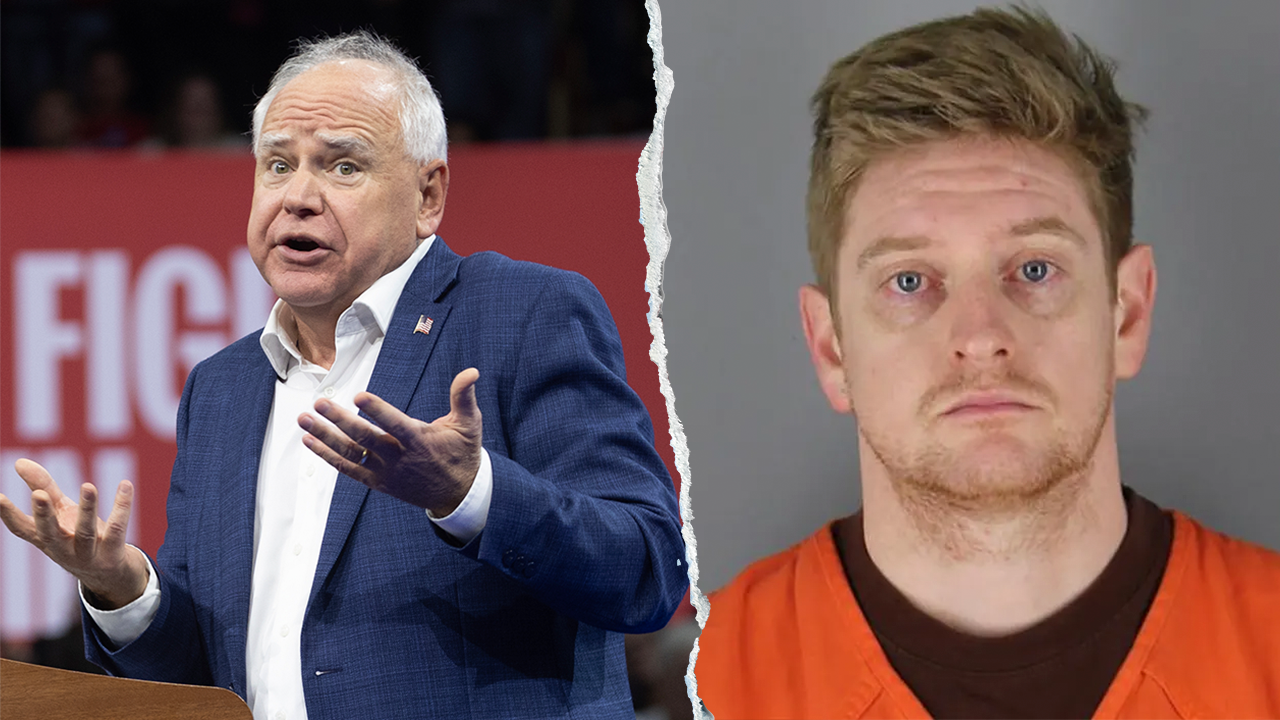
A Minnesota state employee who caused $20,000 in damage by vandalizing six Tesla vehicles will face diversion rather than criminal charges, sparking criticism from Republican leaders who call it preferential treatment.
Diversion Over Criminal Charges
The Hennepin County Attorney’s Office announced this week that data analyst Dylan Bryan Adams from the Minnesota Department of Human Services would enter a diversion program instead of facing criminal prosecution. County Attorney Mary Moriarty’s office stated the approach helps ensure Adams keeps his job and can pay restitution to victims. The Minnesota Department of Human Services said they are reviewing the matter internally, but did not clarify Adams’ current employment status.
BREAKING – It’s been revealed that Dylan Bryan Adams, the Minnesota DHS employee who keyed six Teslas in Minneapolis in response to Elon’s role in DOGE, was a financial policy compliance lead, one of the individuals responsible for reviewing the state’s Medicaid fraud cases. pic.twitter.com/XHQi0kdXQS
— Right Angle News Network (@Rightanglenews) February 16, 2026
The decision comes as the Trump administration has classified Tesla vandalism as domestic terrorism and launched a nationwide effort with the Justice Department to prosecute such cases. Multiple Tesla vehicles across the country have been targeted in recent months, prompting federal investigations.
Republican Leaders Condemn Decision
Former Minnesota gubernatorial candidate Kendall Qualls accused the state of operating a two-tiered justice system that protects Democrats. Qualls, who survived a suspected arson attack on conservative offices in 2024, told reporters that if Adams were a police officer rather than a state government employee, Moriarty would have pursued felony charges. The arsonist in Qualls’ case was never found.
Senate candidate Adam Schwarze argued the decision missed an opportunity to clarify that political protest rights do not include destroying personal property. Minnesota Senator Mark Koran called it a dangerous precedent that signals political violence is acceptable in the state.
National Security Implications
Matthew Brodsky from the American Center for Counter Extremism noted Minnesota’s approach contradicts federal efforts to combat Tesla vandalism nationwide. Retired police lieutenant John Nagel suggested diversion programs suit younger offenders who make poor decisions, but questioned whether someone in a responsible government position deserved the same consideration. The case highlights tensions between state and federal approaches to prosecuting politically motivated property damage.
Typical democrat justice. Led the criminal to the crime and let him off with no punishment.
And who pays the damages?