
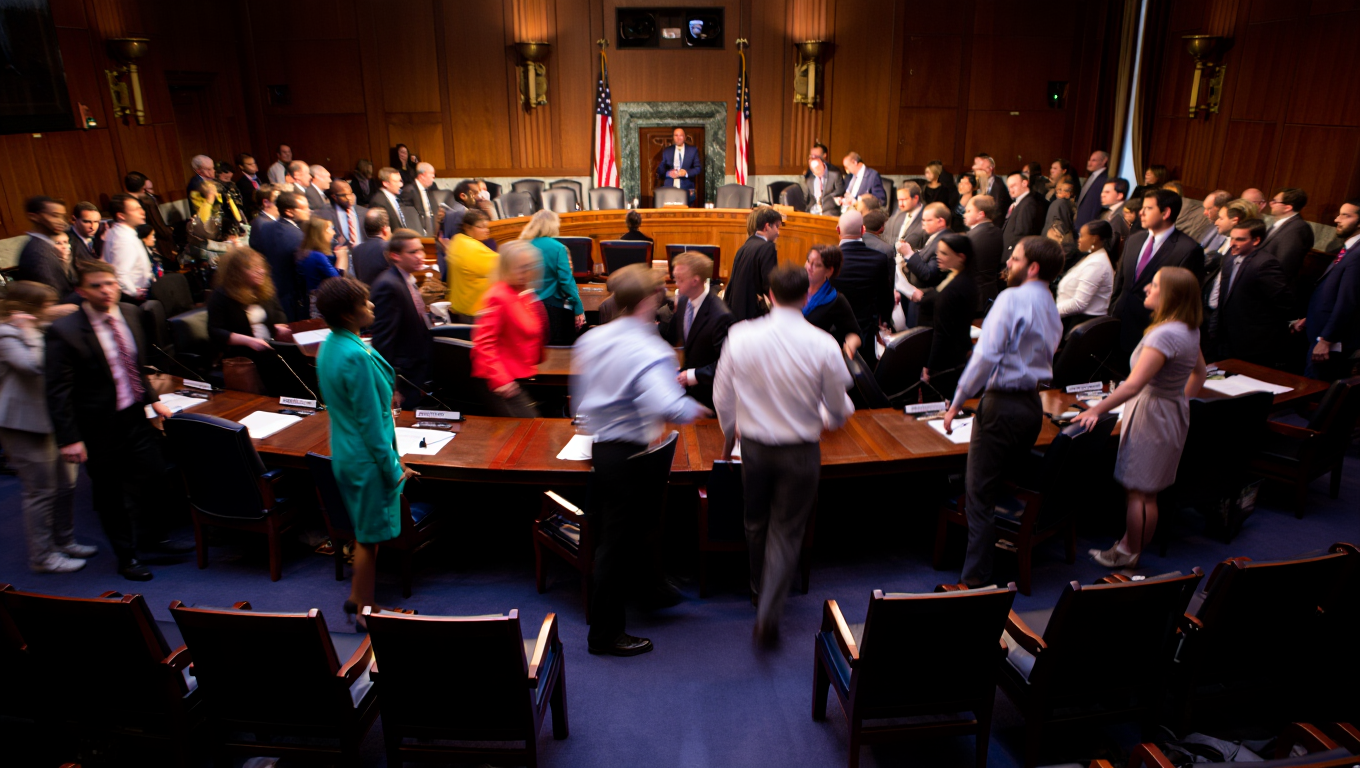
A heated confrontation erupted during congressional proceedings this week between former Metropolitan Police Officer Michael Fanone and retired Army Reserve Lieutenant Colonel Ivan Raiklin, highlighting the persistent tensions surrounding the January 6, 2021, Capitol attack and its political aftermath.
The altercation occurred during a House committee hearing, bringing together two figures who represent starkly opposing perspectives on the events that unfolded at the U.S. Capitol more than four years ago. The incident underscores how deeply entrenched divisions over election integrity and accountability continue to surface in official government settings.
Background on the Key Figures
Michael Fanone emerged as one of the most recognizable faces among law enforcement officers who defended the Capitol on January 6. During the attack, Fanone sustained severe injuries, including suffering a heart attack after being dragged into the crowd and beaten by rioters. His body camera footage from that day captured some of the most harrowing moments of the assault on the building.
Since leaving the Metropolitan Police Department, Fanone has become a vocal advocate for holding accountable those responsible for the January 6 attack. He has testified before Congress multiple times, appeared regularly on television news programs, and written a book detailing his experiences. His outspoken criticism of political figures who have minimized the severity of the attack has made him a polarizing figure in national political discourse.
Ivan Raiklin presents a contrasting perspective. The retired military officer has gained attention in conservative circles for his promotion of claims regarding irregularities in the 2020 presidential election. He has appeared at rallies and events supporting efforts to challenge election results and has been associated with various theories questioning the integrity of the electoral process.
Raiklin has maintained that significant fraud occurred during the 2020 election, despite numerous court decisions and official investigations finding no evidence of widespread irregularities that would have changed the outcome. His activism has included organizing events and appearing on media platforms that promote alternative narratives about the election and its aftermath.
The Congressional Setting
The confrontation took place during what appears to have been a routine House committee proceeding, though the specific nature of the hearing and how both individuals came to be present remains part of the developing story. Congressional hearings have increasingly become flashpoints for political tensions, particularly those touching on issues related to election integrity, January 6, or broader questions of democratic accountability.
The House of Representatives has seen numerous heated exchanges in recent years as political polarization has intensified. Committee hearings, once considered more procedural affairs, have evolved into venues where broader national debates play out in real time, often with dramatic confrontations between witnesses, members of Congress, and other participants.
The presence of both Fanone and Raiklin at the same proceeding suggests the hearing likely addressed topics central to their respective areas of activism and expertise. Given their opposing viewpoints on fundamental questions about January 6 and election integrity, their interaction was perhaps predictable, if not inevitable.
Broader Political Context
This altercation occurs against the backdrop of ongoing national debates about the events of January 6 and their significance in American political history. While some view the Capitol attack as a direct assault on democratic institutions requiring full accountability, others argue the incident has been politicized beyond its actual significance.
The confrontation between Fanone and Raiklin embodies these competing narratives. Fanone represents the law enforcement perspective that emphasizes the violence and danger officers faced while protecting members of Congress and the democratic process. His injuries and traumatic experience have made him a powerful advocate for treating January 6 as a serious attack on American democracy.
Raiklin, meanwhile, represents voices within the conservative movement that question official narratives about both the 2020 election and January 6. His presence at the hearing and subsequent altercation with Fanone reflect the ongoing efforts by some activists to challenge established accounts of these events and promote alternative explanations.
Implications for Congressional Proceedings
The incident raises questions about security protocols and decorum during congressional hearings. While passionate disagreements are not uncommon in political settings, physical or highly confrontational interactions can disrupt official proceedings and potentially compromise the safety of participants.
House leadership faces ongoing challenges in maintaining order during hearings that touch on contentious political topics. The institution has struggled to balance its constitutional oversight responsibilities with the practical realities of governing in an era of intense polarization.
This confrontation may prompt discussions about how to better manage situations where individuals with fundamentally opposing views are brought together in official settings. Congressional committees serve important functions in government oversight and public education, but their effectiveness can be undermined when proceedings devolve into personal confrontations.
Ongoing Investigations and Accountability Efforts
The altercation comes as various investigations and legal proceedings related to January 6 continue to unfold. Federal prosecutors have pursued hundreds of criminal cases against individuals who participated in the Capitol attack, while congressional committees have conducted extensive investigations into the events leading up to and during that day.
Questions of accountability extend beyond the individuals who physically entered the Capitol to include broader questions about the role of political leaders, media figures, and activists who promoted claims about election fraud. These ongoing processes continue to generate controversy and debate about how American democracy should respond to challenges to its institutions.
The confrontation between Fanone and Raiklin illustrates how these broader accountability debates manifest in personal interactions between individuals who lived through or were affected by these events in different ways. Their clash represents the human dimension of political and legal processes that can sometimes seem abstract or removed from individual experiences.
Looking Forward
As the nation continues to grapple with the legacy of January 6 and questions about election integrity, incidents like this confrontation suggest that tensions remain high among key participants in these debates. The challenge for democratic institutions lies in finding ways to address legitimate concerns about accountability and election security while maintaining the civic discourse necessary for effective governance.
The altercation between Fanone and Raiklin serves as a reminder that the political divisions surrounding January 6 and the 2020 election continue to influence American politics more than four years later. How congressional leadership, law enforcement, and other institutions manage these ongoing tensions will likely influence the health of American democratic discourse for years to come.