
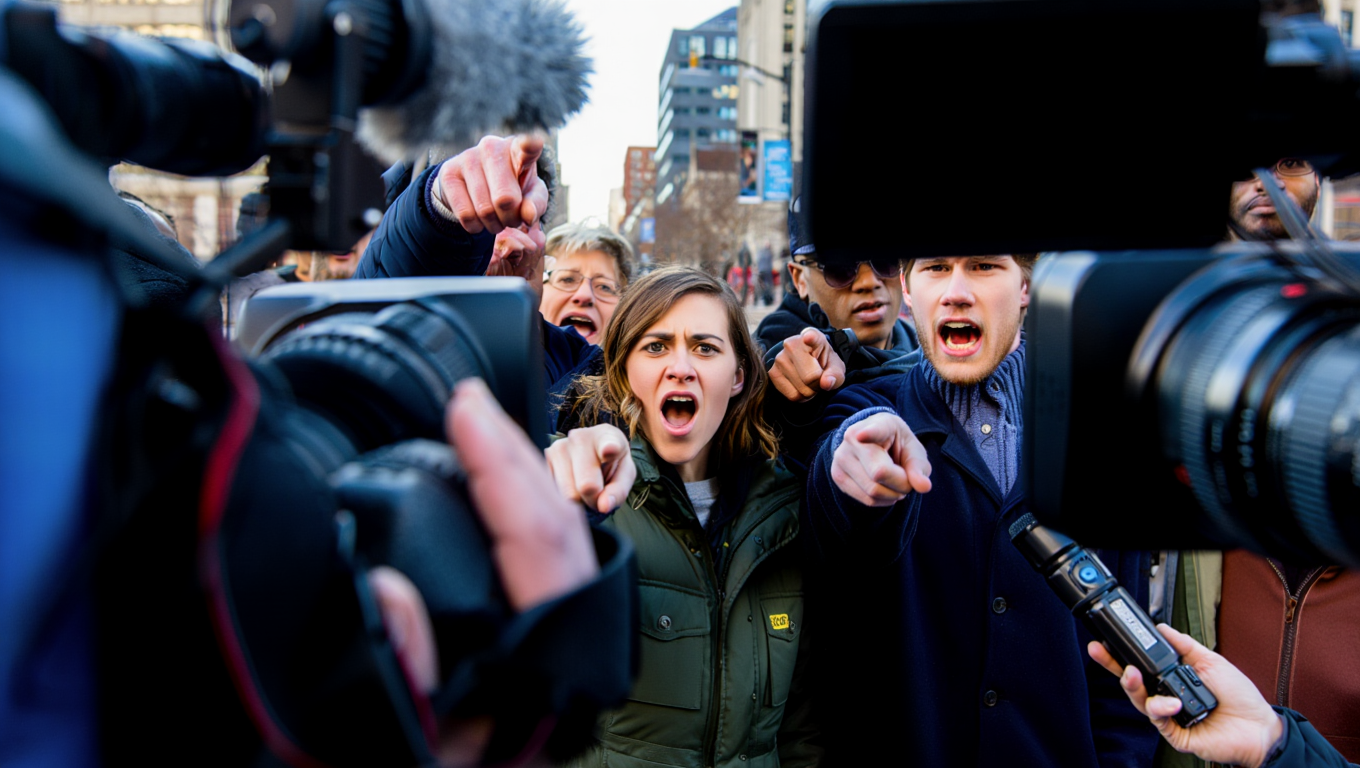
Tensions reached a boiling point in Minneapolis on Thursday as hundreds of demonstrators took to the streets following the fatal shooting of 37-year-old Renee Nicole Macklin Good by a federal Immigration and Customs Enforcement officer. The incident occurred on Wednesday during what officials describe as part of the Trump administration’s expanded immigration enforcement operations.
Good, a mother of three who had recently relocated to Minnesota, was killed during an ICE operation in the city. The shooting has ignited fierce debate over federal immigration tactics and sparked immediate calls for transparency in the investigation process.
This is called “brandishing” and when you do it to someone’s face, it is legally considered assault.
You do NOT have the right to point a gun in the face of an unarmed protestor, especially when you out number them, and have other options for de-escalation.
This is a CLEAR… https://t.co/6plRnu3vso
— Adam Cochran (adamscochran.eth) (@adamscochran) January 9, 2026
Federal-State Jurisdictional Battle Emerges
Minnesota Governor Tim Walz has demanded state participation in the investigation, citing concerns over federal oversight of the incident. The Minnesota Bureau of Criminal Apprehension reported Thursday that the U.S. Attorney’s Office has blocked state investigators from participating in the probe, creating an unusual jurisdictional standoff.
This exclusion of state authorities represents a significant departure from typical protocols involving officer-involved shootings in Minnesota, where state agencies routinely participate in investigations of law enforcement incidents. The move has drawn criticism from local officials who argue that community trust requires independent oversight.
“The people of Minnesota deserve transparency and accountability,” Walz stated, emphasizing the need for state involvement in determining the circumstances surrounding Good’s death.
DHS Secretary Defends Federal Response
Homeland Security Secretary Kristi Noem mounted a vigorous defense of the ICE officer’s actions, characterizing Good’s behavior as “domestic terrorism.” Speaking to reporters, Noem insisted that the officer acted according to established training protocols and procedures.
The strong language from Noem reflects the administration’s hardline stance on immigration enforcement and suggests federal officials view the incident through the lens of national security rather than a potential case of excessive force. This characterization has further inflamed tensions in Minneapolis, where community members dispute the official narrative.
Federal officials have provided limited details about the specific circumstances that led to the shooting, citing the ongoing investigation. However, Noem’s public statements indicate the administration believes the use of deadly force was justified based on Good’s alleged actions during the encounter.
During the moment of silence the Minnesota Timberwolves held before their game with the Cavs tonight a fan yelled “Go home ICE,” and everyone else started cheering.pic.twitter.com/npIdkCgg1S
— Read Raising Expectations (and Raising Hell) (@JPHilllllll) January 9, 2026
Community Response and Memorial Efforts
Protesters gathered outside the Bishop Henry Whipple Federal Building on Thursday, with some confrontations resulting in law enforcement using chemical irritants. Images from the scene showed demonstrators pouring water in their eyes after exposure to what appeared to be pepper spray or similar substances.
A makeshift memorial has emerged near the shooting site, where community members have left flowers, candles, and messages honoring Good’s memory. The memorial has become a focal point for those seeking to understand how a mother of three became the center of a federal immigration operation that turned deadly.
Local activists and community leaders have organized vigils and called for peaceful demonstrations while demanding answers about the circumstances surrounding the shooting. The response reflects broader tensions in Minneapolis, a city that has experienced significant unrest over police-involved shootings in recent years.
Immigration Enforcement Under Scrutiny
The incident occurred amid the Trump administration’s renewed focus on immigration enforcement, which has included expanded ICE operations in cities across the United States. The administration has pledged to increase deportations and crack down on what it characterizes as sanctuary city policies.
Immigration advocacy groups have expressed concerns about the militarization of immigration enforcement and the potential for violent encounters during routine operations. Good’s death has become a rallying point for critics who argue that current enforcement tactics put both immigrants and community members at unnecessary risk.
The shooting also raises questions about the rules of engagement for ICE officers during enforcement operations and whether current protocols adequately protect civilian safety. Federal agencies have historically faced less scrutiny than local police departments, making this incident particularly significant for accountability advocates.
🚨 BREAKING: Leftists in Minneapolis are absolutely STUNNED, a group of federal agents SPRINTED at a rioter who threw something at police and he was TACKLED in mere seconds
I am GLAD these men are on our side!#mineapolis #Minnesota #ReneeNicoleGood #ICE pic.twitter.com/wSbxYHgS91
— World Watcher (@World__Watcher_) January 8, 2026
Political Implications and Federal Relations
The jurisdictional dispute between state and federal authorities highlights broader tensions between the Trump administration and Democratic-led states over immigration policy. Minnesota has been among the states most critical of federal immigration enforcement tactics, creating an adversarial relationship with federal agencies.
Governor Walz’s demand for state participation in the investigation reflects this broader political dynamic, as state officials seek to maintain oversight over incidents occurring within their borders. The federal government’s refusal to allow state involvement may signal an intent to maintain strict control over the narrative surrounding immigration enforcement operations.
This incident could influence ongoing debates about federal versus state authority in immigration matters and may affect how future enforcement operations are conducted in states with resistant local governments.
Ongoing Investigation and Unanswered Questions
Despite official statements from federal authorities, many key details about the shooting remain unclear. The specific circumstances that led to the use of deadly force, Good’s immigration status, and the nature of the ICE operation have not been fully disclosed to the public.
The exclusion of state investigators has raised additional questions about transparency and whether the federal investigation will adequately address community concerns. Legal experts note that federal investigations of law enforcement incidents often take months or years to complete, potentially prolonging tensions in Minneapolis.
Community members and elected officials continue to press for the immediate release of body camera footage, witness statements, and other evidence that could clarify what occurred during the fatal encounter.
Looking Forward
As Minneapolis grapples with the aftermath of Good’s death, the incident has become emblematic of broader national debates over immigration enforcement, federal authority, and police accountability. The community response suggests that tensions are likely to persist until more information becomes available about the circumstances surrounding the shooting.
The case may also influence how other cities and states respond to federal immigration operations within their borders, potentially leading to new protocols or legal challenges regarding federal enforcement activities in local communities.
For now, Minneapolis remains on edge as residents demand answers about how a federal immigration operation resulted in the death of a mother of three, while federal officials maintain their actions were justified and necessary for public safety.