
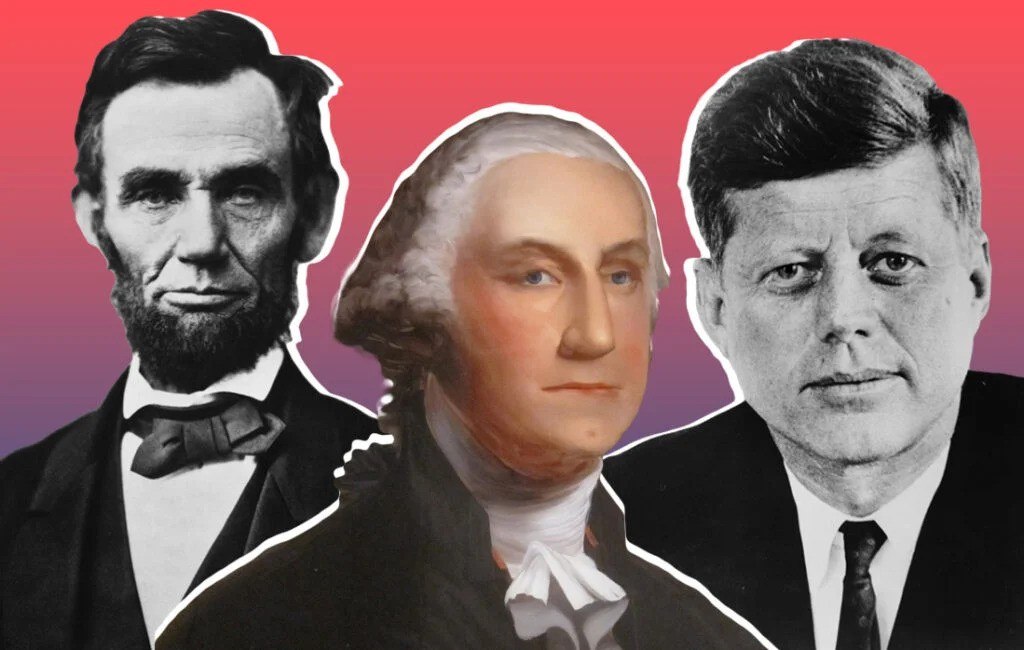
The presidency is often seen as a life of protocol, speeches, and high-stakes decision-making. Yet behind the public image, many presidents maintained unusual, even bizarre routines that reveal a more human side. From early morning swims to keeping exotic pets, these habits offer a window into how leaders cope with the immense pressures of office.
Eccentric Early Routines
John Quincy Adams started each day with a dip in the Potomac River, often in the freezing winter months. Diaries and contemporary reports confirm he considered the ritual vital for his health and focus. Andrew Jackson kept a pet parrot notorious for swearing, and he reportedly hosted cockfights, reflecting his fiery and unconventional personality.
Physical Fitness and Play
Teddy Roosevelt was known for his boundless energy, practicing jiu-jitsu and wrestling with aides in the White House. These activities kept him vigorous and reflected his hands-on approach to both life and leadership. Decades later, Richard Nixon installed a bowling alley in the residence, blending recreation with daily routine.
Quirky Companions
Calvin Coolidge famously kept pet raccoons in the White House, entertaining staff and visitors alike. Stories of presidential pets—some verified, some apocryphal—reveal the softer, personal side of life in the nation’s most famous residence. Even today, pets remain part of the image and daily rhythm of the presidency.
Mental Workouts
Not all presidential habits were physical. Bill Clinton was known for doing crossword puzzles, exercising his mind amid a busy schedule. Intellectual routines like these offered focus and stress relief, reminding the public that presidents balance personal habits with immense responsibilities.
Why These Habits Matter
These routines humanize leaders who are often seen only through the lens of policy and power. They also reveal coping mechanisms, eccentricities, and personality quirks that shaped presidential decision-making. While some habits are well-documented, others—like Jackson’s cockfighting or apocryphal pet stories—remain debated, showing how myth and fact often intertwine in presidential lore.
By exploring these daily rituals, we gain insight into the pressures, creativity, and personal lives of those who have led the nation. It’s a reminder that even the most powerful figures have routines, quirks, and coping strategies that make them relatable—and sometimes surprisingly unconventional.